
WRITTEN BY: BRAD ROGERS
PHOTOGRAPHY BY: JESSI MILLER AND MICHAEL WARREN
River Dreams
Restoring the Ocklawaha River has been an environmental debate for half a century. Now proponents argue that
restoring the river also has meaningful and lasting economic promise for the region.
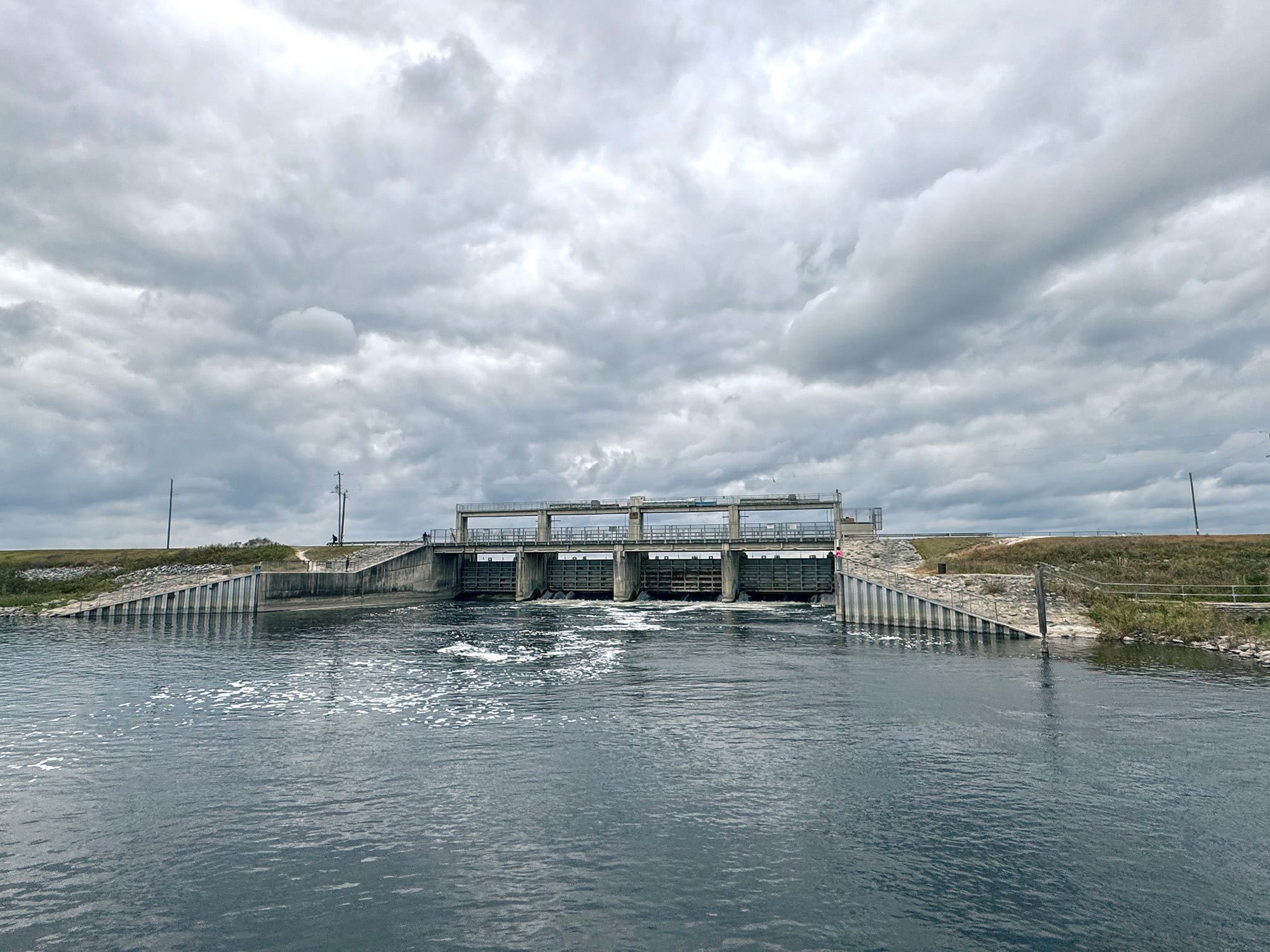
Since the late 1960s, environmentalists have been pushing the state of Florida to breach the Kirkpatrick Dam that creates the Rodman Reservoir so the Ocklawaha River can be returned to its natural, free-flowing state. The pro-restoration forces’ argument has long been founded on the principle that it is good for the land, the water, and the animals and fish that inhabit that land and water.
Now, however, those same groups, stymied to date by an influential contingent of fishing enthusiasts and their legislative supporters who say the Rodman is an important economic driver for Putnam County, say draining the reservoir and returning the Ocklawaha to its original state will produce even greater economic benefits than the fishing economy alone. And they say those benefits will not only boost Putnam’s economy, but the economies of the North Florida region.
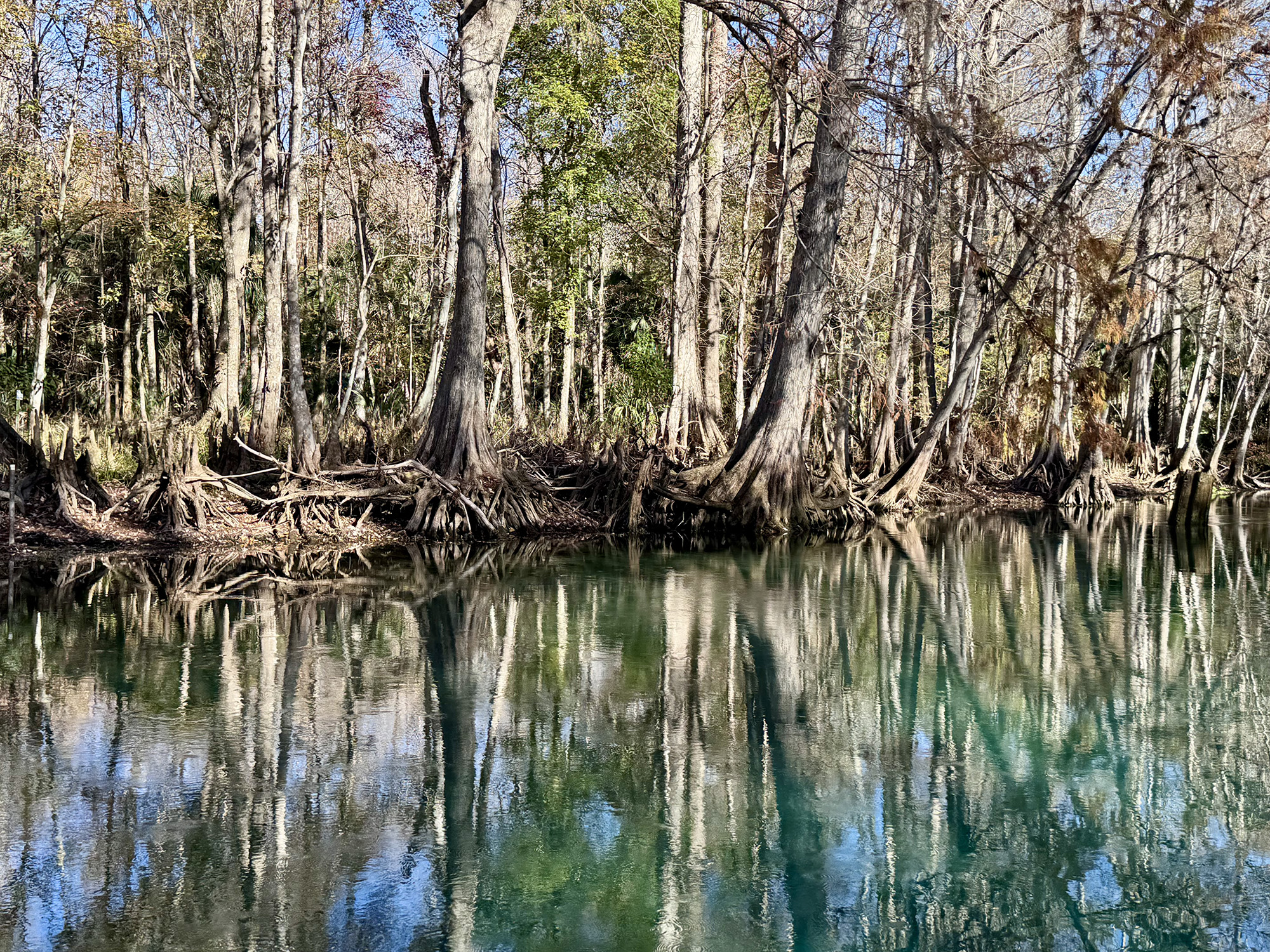
Restoring the river will not only bring back a river that Ocklawaha River tour guide Erika Ritter described as “the I-75 of the 1800s” because of the steamship traffic that brought tourists up the river to Silver Springs. It will also uncover 7,500 acres of now-flooded forest land, revitalize another 7,500 acres of “stressed” forested wetlands elsewhere along the river, uncover 20 submerged springs, and allow large numbers of fish as well as manatees to return to a body of water that was once their habitat before the damming of the Rodman.
“I’ve been fishing this river since I was 3,” Ritter said. “The schools of catfish coming up the river looked like black clouds in the river.”
The effort to restore the Ocklawaha is being led by two groups – Reunite the Rivers and The Great Florida Riverway Trust. The groups also say the restoration of the Ocklawaha is about more than just the Ocklawaha, but also about the Silver River and Silver Springs, as well as the St. Johns River.
The Ocklawaha starts in Lake Apopka in Orange County and flows north. The Silver River – fed by Silver Springs – is its largest tributary. The Ocklawaha then dumps into the St. Johns River, which flows north until it reaches into the Atlantic Ocean.
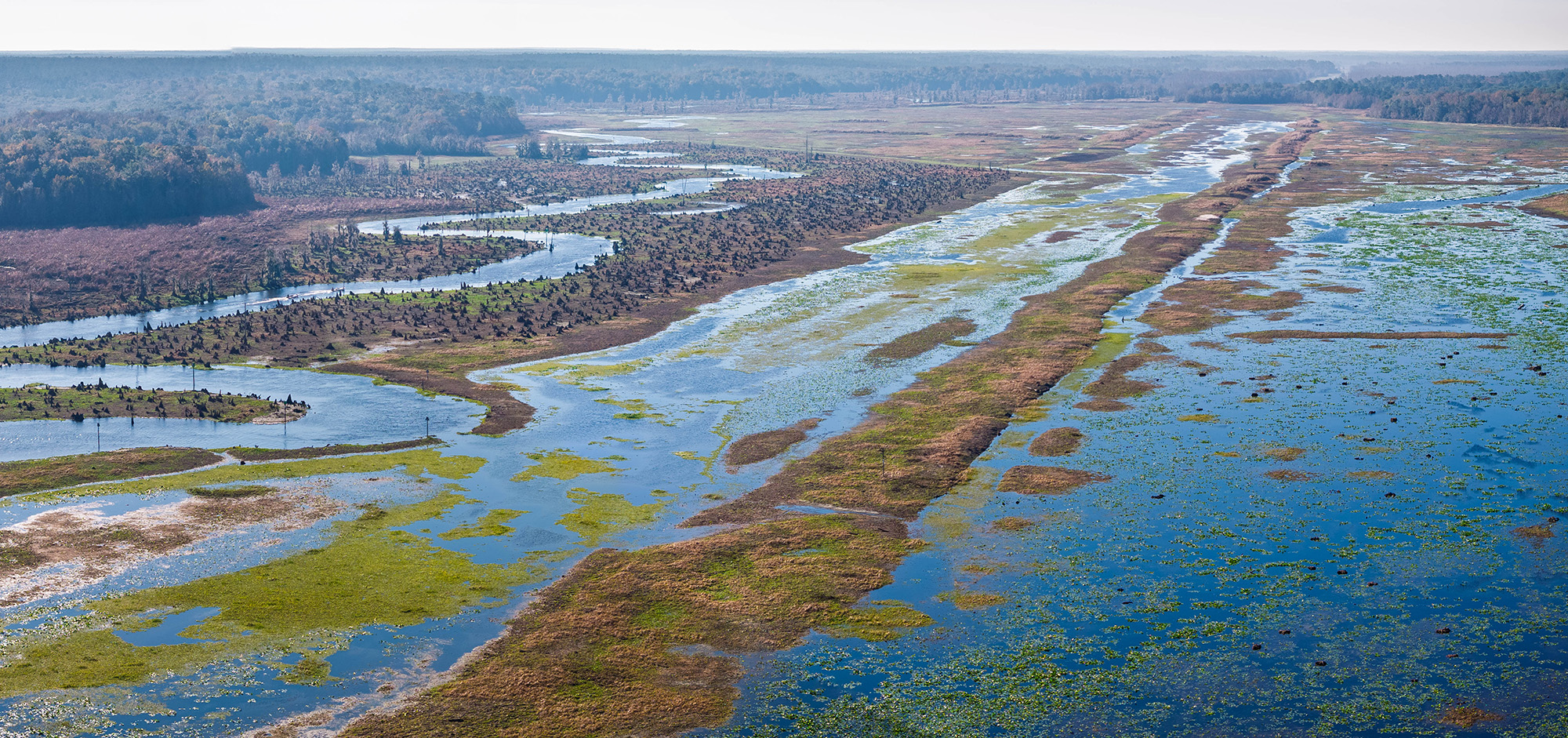
Reunite the Rivers and The Great Florida Riverway Trust stress that the rivers are interdependent, and restoration of the Ocklawaha will benefit all of the rivers. It will allow fish – now blocked by the dam – to return to their former breeding and feeding waters. It will allow manatees to return to Silver Springs in significant numbers. It will allow river grasses important to a healthy fishery to thrive again. A report funded by Pew Charitable Trust stated, “Restoration in anticipated to increase flow from the Ocklawaha River, thereby reducing saltwater intrusion, improving water quality and freshwater food webs, and contributing to the eelgrass growth and dispersal in the Lower St. Johns River.” Pew Executive Summary.
And Margaret Spontak, CEO of the Great Florida Riverway Trust, believes the environmental benefits of restoration will translate quickly into economic benefits for North Florida, especially Putnam and Marion counties.
“So, you’re really creating an epicenter for recreation from Silver Springs to Palatka,” she said.
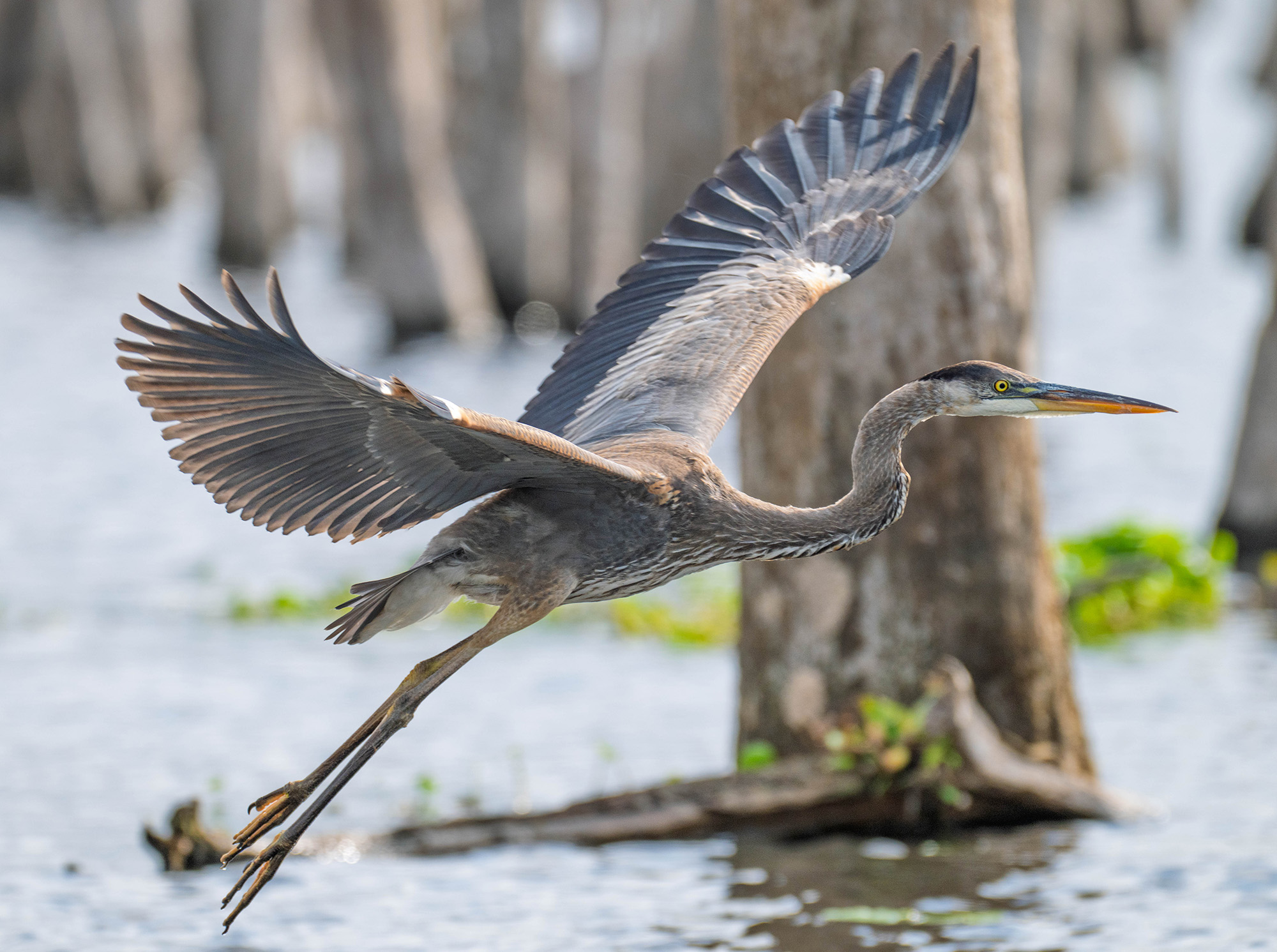
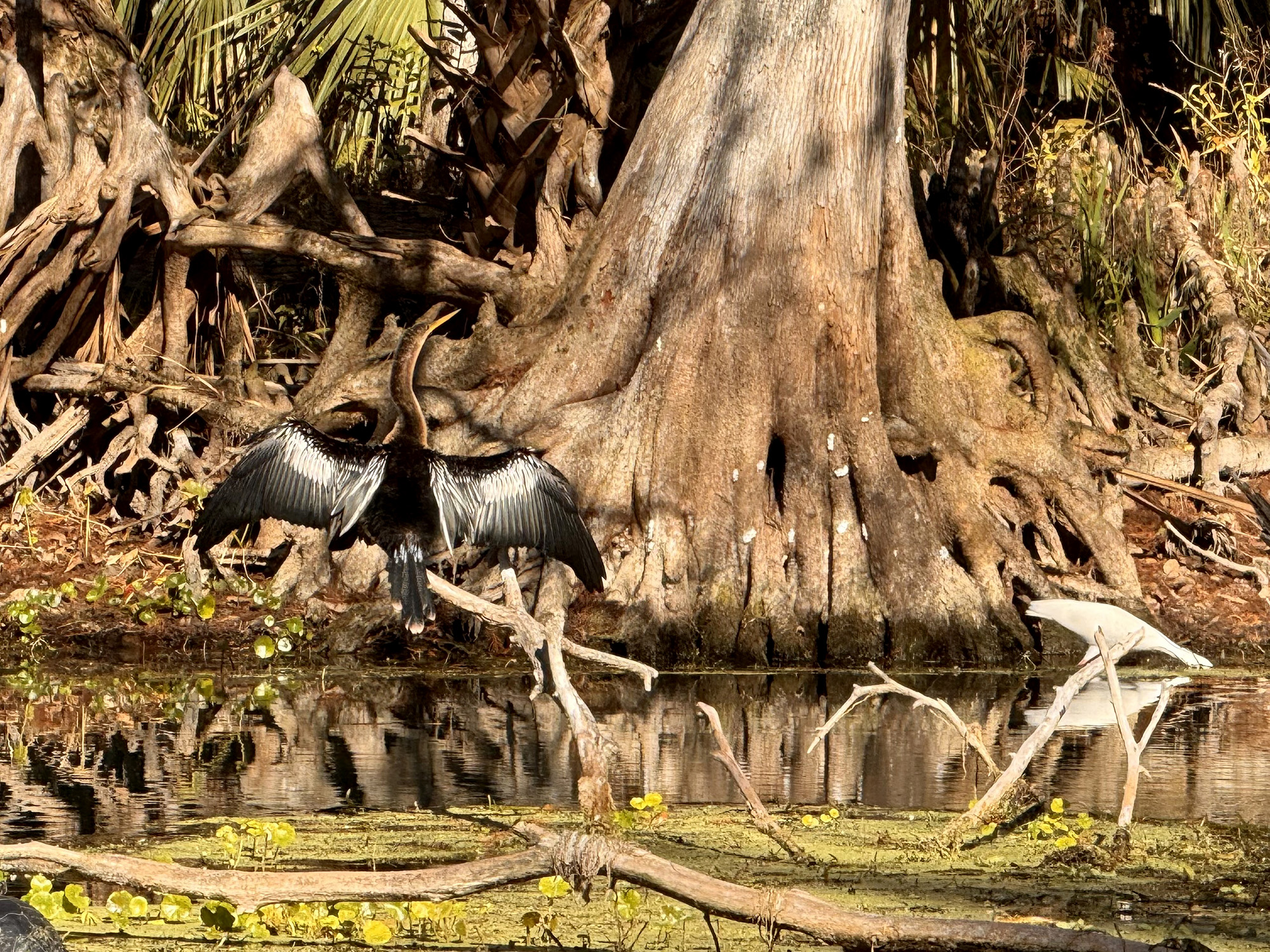
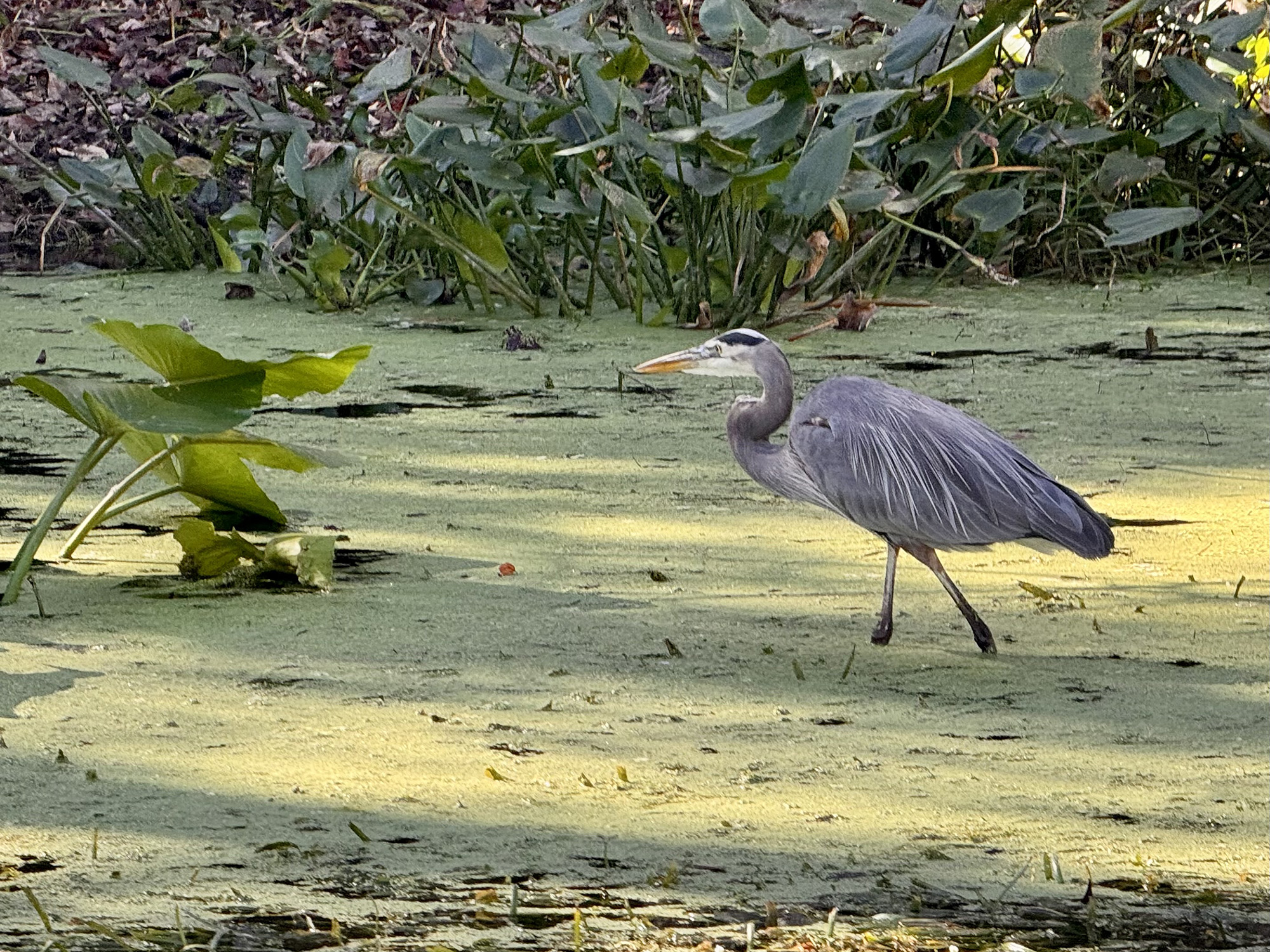
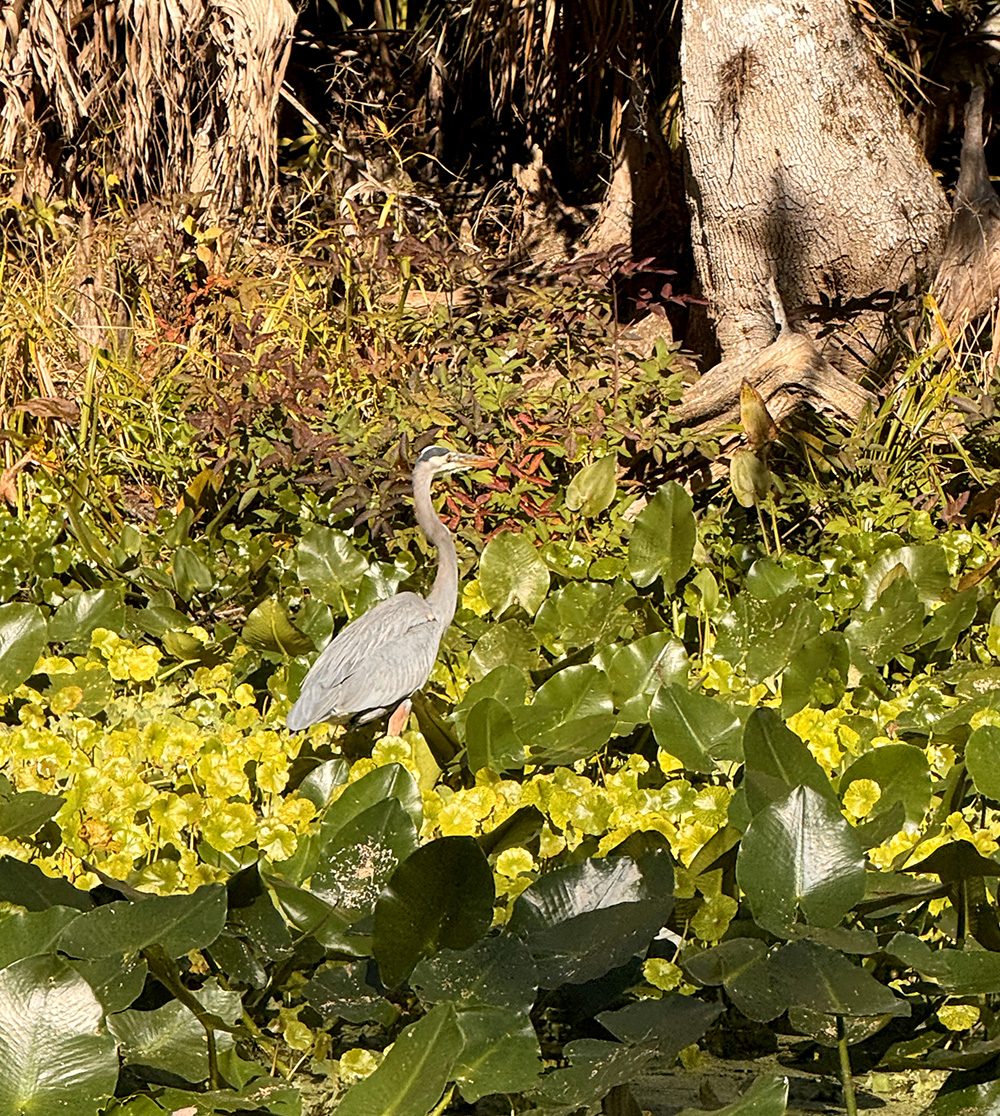
That epicenter would include new springs for swimming, enhanced fish populations – including American shad, American eel and Atlantic striped bass, warm water refuges for manatees, greater access for boating, camping, paddling, hiking and biking trails through the restored forests and enhanced bird- and animal-watching opportunities because of new habitats due to revived forestlands.
“The restoration of the Great Florida Riverway will have tremendous impact on recreation and economic development to the benefit of not only the local communities, but the economic vitality of the region, as well as contribute to Florida’s prosperous water-based outdoor recreation industry economy,” the Great Florida Riverway Trust wrote in a report.
An economic analysis by retired University of Florida economist Alan Hodges supports the theory. His analysis of the economic impact of restoration found there would be an 28 percent increase in economic activity over current levels.
He estimates for Marion, Putnam, and Alachua Counties the economic impact of restoration would be $28 million a year plus 556 jobs — with nearly half of those benefits going to Putnam County.
Newer long-term economic projections that include recreation enhancements like restrooms facilities, boat ramps, hiking trails, and springs access estimate net economic benefits over 20 years at $198 million.
For example, Hodges cited a manatee viewing area at Silver Springs as a major tourism draw.
“There has been quite a bit of research on manatee use of the Silver River, and it has a lot of what they like,” Hodges said.
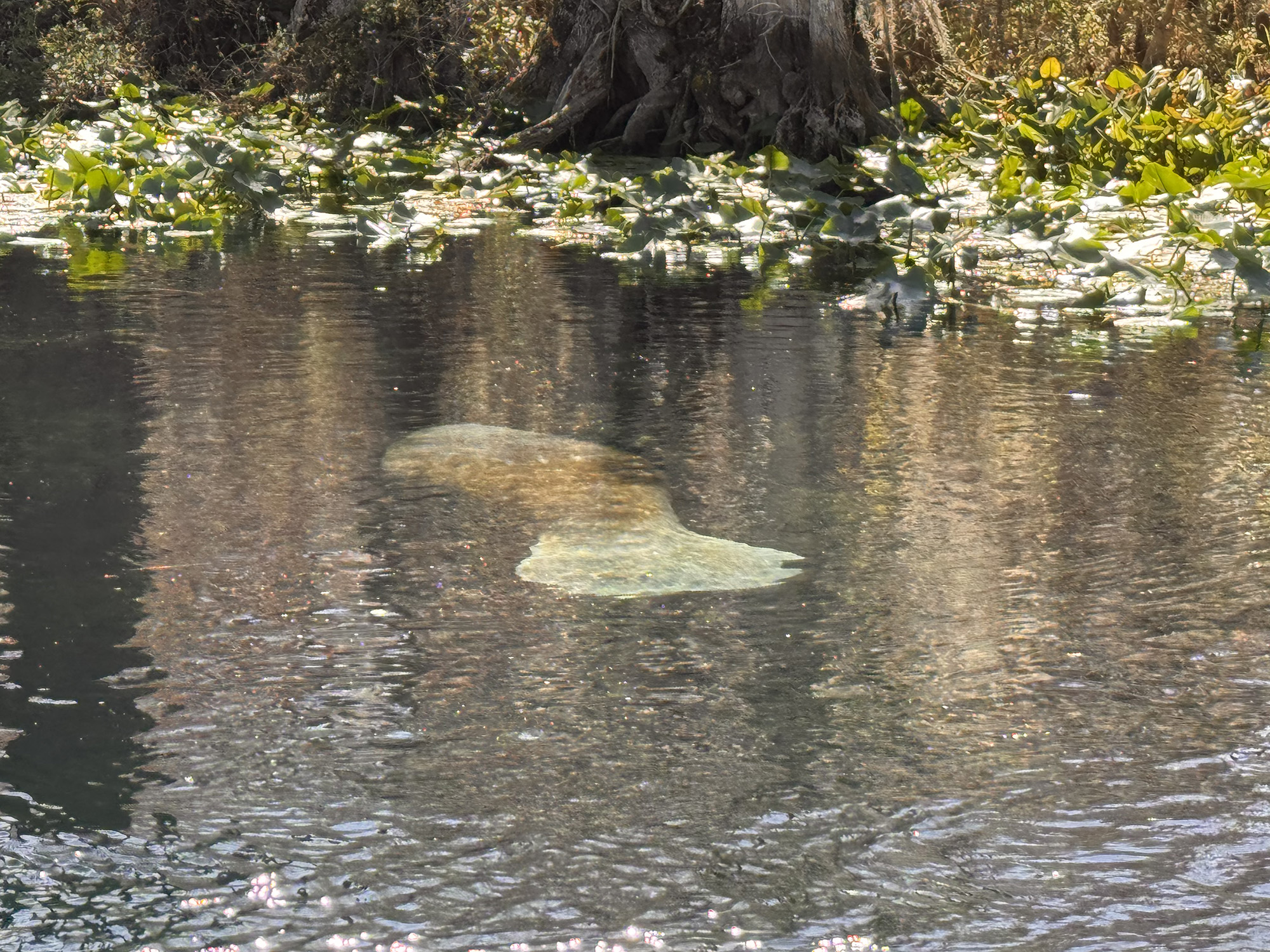
There is no doubt manatees are a big tourist attraction, as evidenced by Crystal River’s success in capitalizing on their presence. As the self-proclaimed “Manatee Capital of the World,” the small community on Florida’s west coast has turned manatee viewing and tours into a major industry.
In 2024, according to the Citrus County Visitor Economic Impact Report, Crystal River saw 656,152 overnight visitors, about 300,000 of whom were there for the manatees. Overall tourism spending that year in Crystal River was $525 million, nearly 20 times what Hodges predicts mere restoration of the Ocklawaha would provide without any tourism enhancements, like viewing platforms and tour services.
Spontak said any long-term Ocklawaha restoration plan should include such enhancements because they will spur tourism visits and, in turn, economic activity in the way of dollars and jobs.
And while groups seeking to maintain the Rodman Reservoir as a world-renowned fishing destination say it is too important of an economic driver to lose, visitation records show activity on the manmade lake has declined steadily since 2010.
Opponents of the Ocklawaha restoration and Kirkpatrick Dam breaching point out that the Rodman Reservoir is a one of the most thriving bass fishing locations in America. Ocklawaha restoration proponents, however, counter that bass fishermen will still have access to good bass fishing – in both the Ocklawaha and the St. Johns – adding that the Ocklawaha was a big-time bass fishing destination before it was flooded.
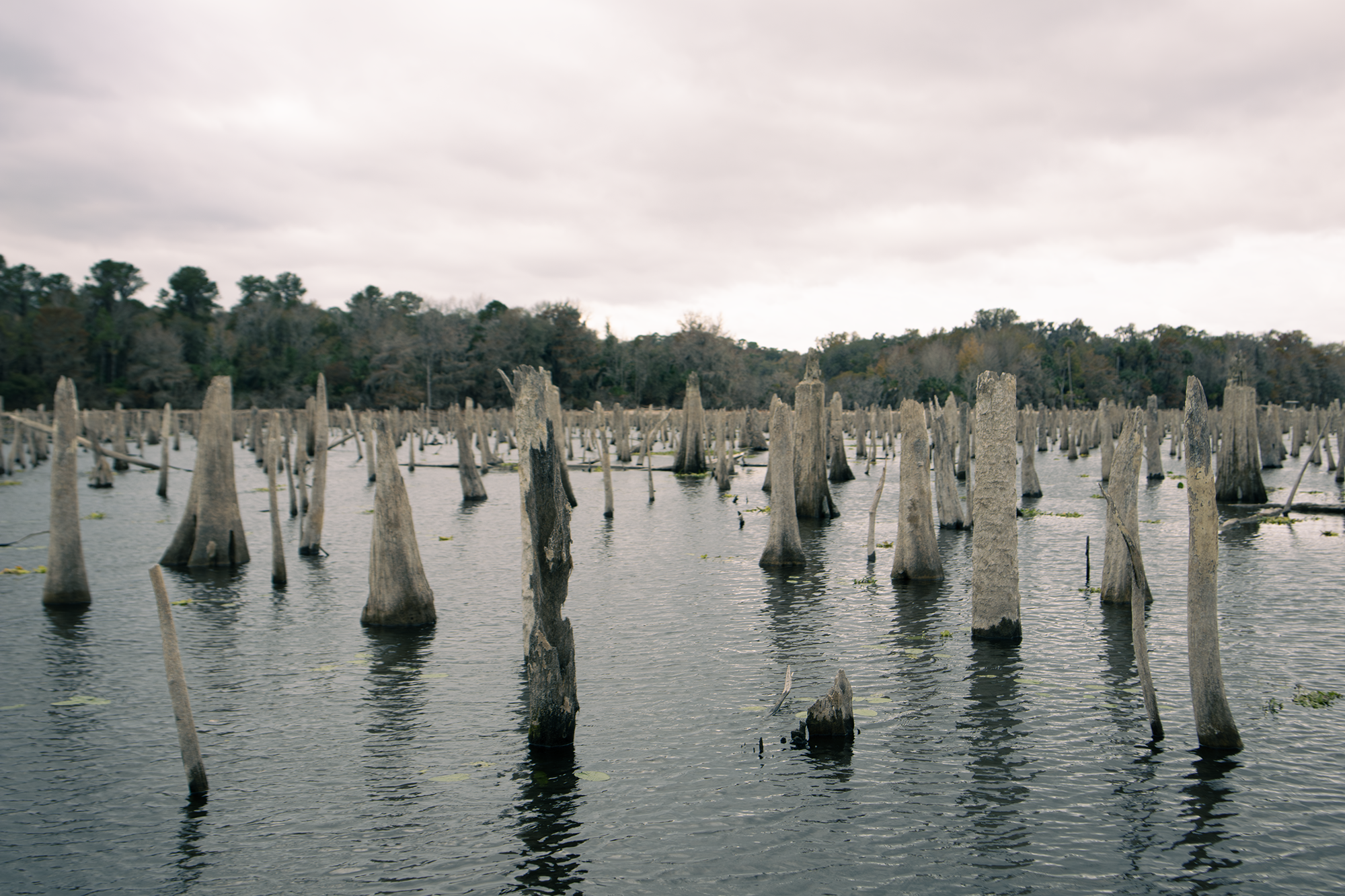
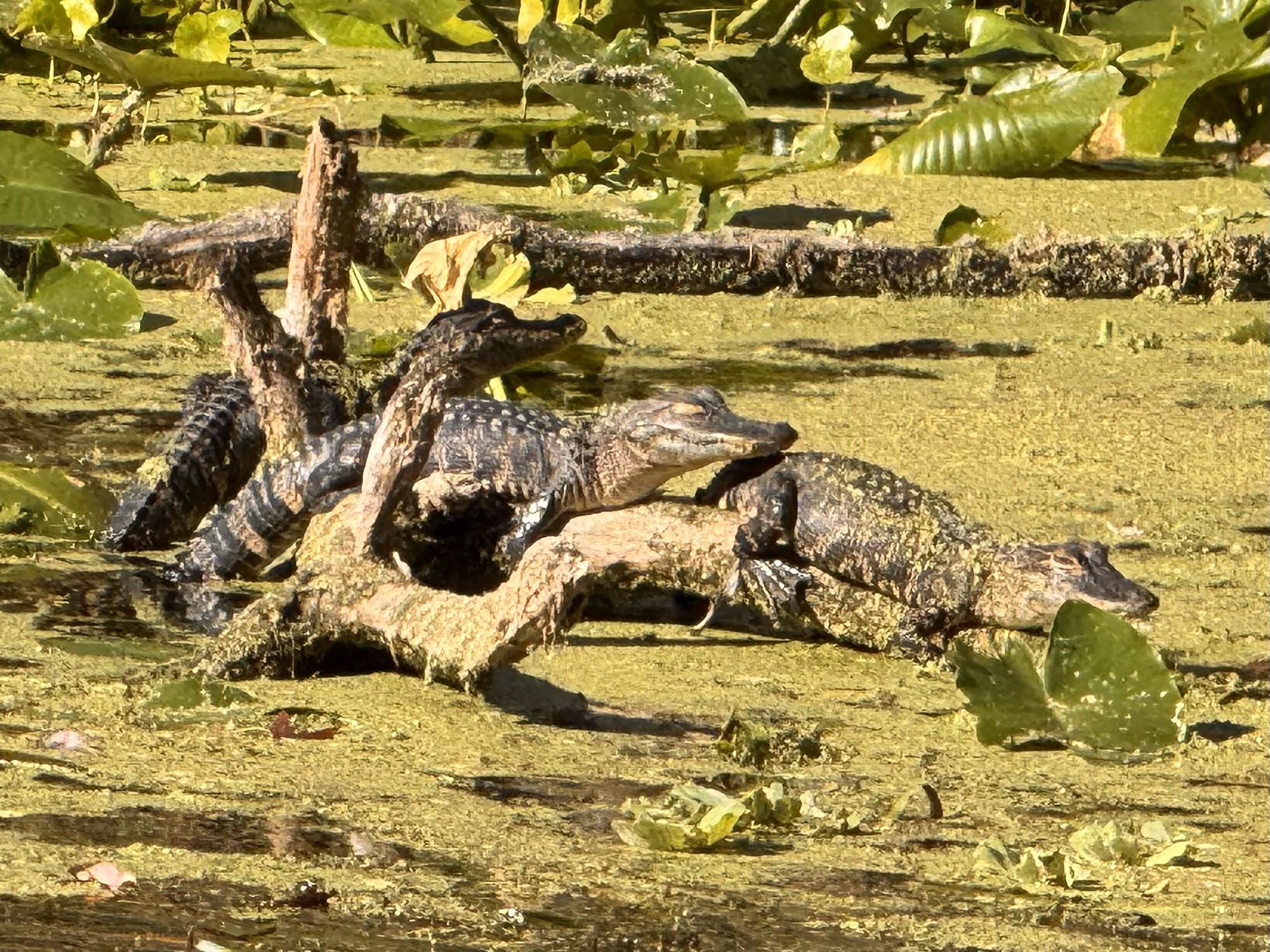
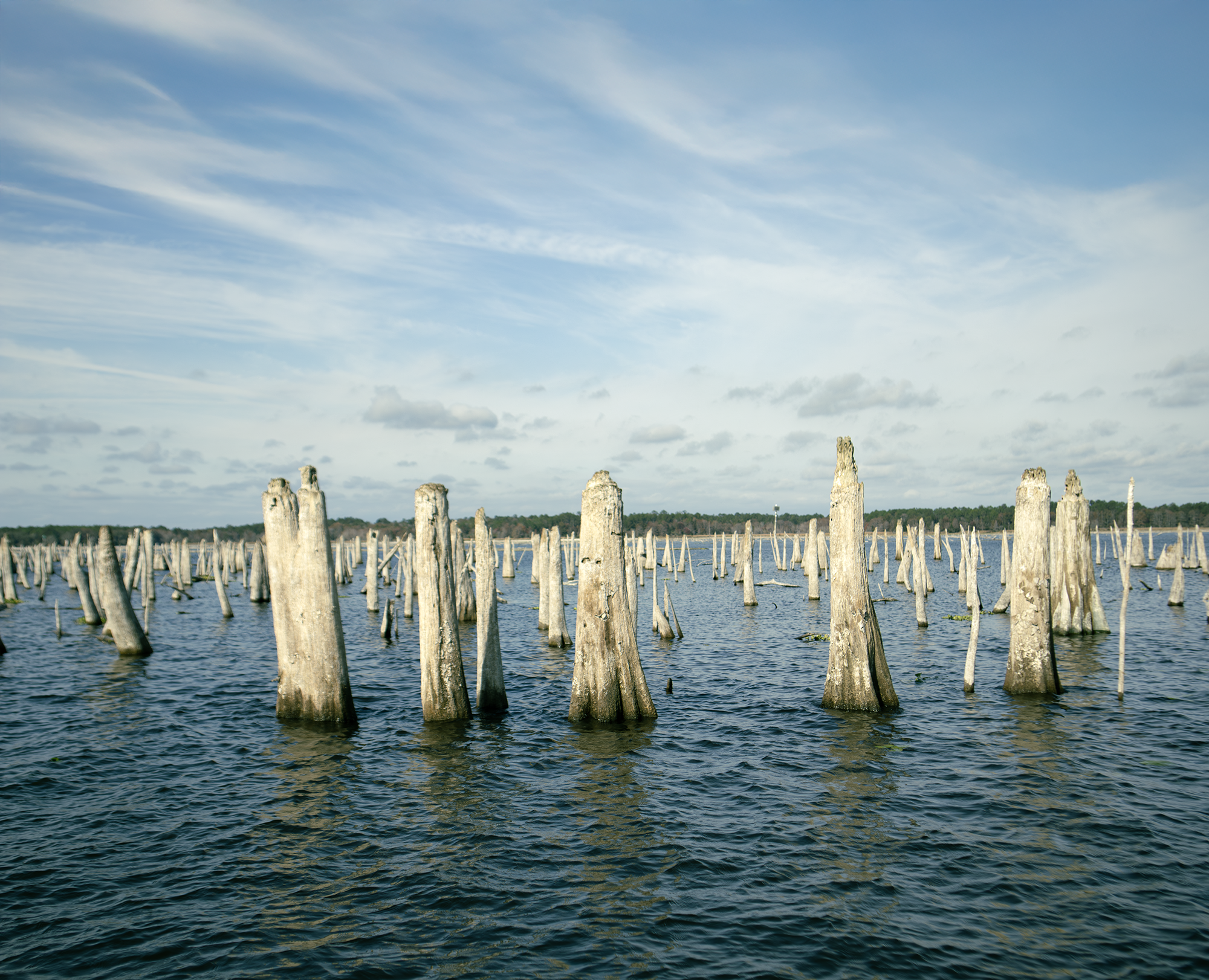
The Rodman is currently on what is known as a “drawdown,” something the Florida Department of Environmental Protection undertakes every three to five years to eradicate invasive vegetation. The reservoir is lowered between 8 and 20 feet, exposing the natural course of the Ocklawaha and thousands of tree stumps from the flooded forestlands. What also is exposed is large numbers of wildlife like bears and deer that forage the uncovered land, which is already showing new tree sprouts.
It also brings large numbers of visitors who want to see the wildlife, the birds, the springs that are otherwise not around.
One of people who took a recent boat tour of the river was Linda Myers, a retired Putnam County tax collector and and now president of the Great Florida Riverway Trust. She believes returning the river to its natural state is a quality-of-life issue that local leadership needs to embrace.
“In general, people’s perspectives about the natural world have changed” (since the Rodman was built in 1968), she said. “There is a better understanding that nature actually knows what it’s doing.”
She said the current debate over whether to keep the Rodman or restore the Ocklawaha is really about “changing 50 years of legacy,” and that it requires leadership showing how restoration will improve quality of life.
Also on that boat tour was former Palatka mayor Robbi Correa, who said there is strong resistance to restoring the Ocklawaha, but also growing support for it.
“People are seeing it doesn’t serve any useful purpose … and that the economic benefits of restoration outweigh the current situation,” she said.
Spontak said getting public support for the long-term vision of restoration and creating “a tourism epicenter” will require education about its benefits.
She noted that while the Ocklawaha restoration for years has been framed as a Putnam County issue, it is also vitally important to Marion County, which has almost the same amount of acreage along the Rodman Reservoir’s banks as Putnam has.
She said making the Great Florida Riverway – the Ocklawaha, Silver Springs and the St. Johns – an economic success will require investment in recreation facilities like parking, camping areas, swimming areas, trails, restrooms, boat launches and other amenities.
“If we put these additional improvements in place, what will be the return on investment?” she said. “Putnam and Marion counties will come out a lot better off from this. And people have no idea what this will mean for Marion County.”
The idea of establishing a manatee viewing platform along the Silver River is just one tourism-driving idea. Also, several of the submerged springs would make wonderful swimming holes.
“It’s really a ‘change management’ issue,” Spontak said. “It’s a fear of the unknown.”
Spontak is confident the change will not only be positive but historic.
“The big change in mindset is that this is a multi-county issue,” Spontak said. “It’s our Everglades. It’s America’s next big restoration project. It doesn’t make sense to restore without recreation expansion. We want this to be better than it is now.”
And the next big challenge? Convincing the Legislature and Gov. Ron DeSantis. The river is waiting.
Info and further reading links below.

Great Florida Riverway Trust
greatfloridariverwaytrust.org
Reunite The Rivers
reunitetherivers.com
Dig Deeper
Ocklawaha River Restoration: Science and Economics Report sponsored by Pew Charitable Trust