WRITTEN BY: CYNTHIA WILSON GRAHAM
PHOTOGRAPHY BY: JOSHUA JACOBS
The Evolution of a Legacy
From Booker T. Washington’s 1913 call to action to a modern center for education,recreation and civic pride, the Martin Luther King Jr. Complex stands as a testament to Black resilience, enterprise and community in Ocala.
The grounds are now celebrated as the Martin Luther King Jr. Complex in Ocala, Florida, stands as a powerful symbol of transformation—a place where vision, perseverance, and community spirit have shaped generations near the heart of downtown Ocala.
This story began in 1913 with the visit of renowned educator and leader Booker T. Washington. Standing on this very land, he delivered a stirring message to Ocala’s African American community, calling for self-reliance, education, and unity in the face of adversity.
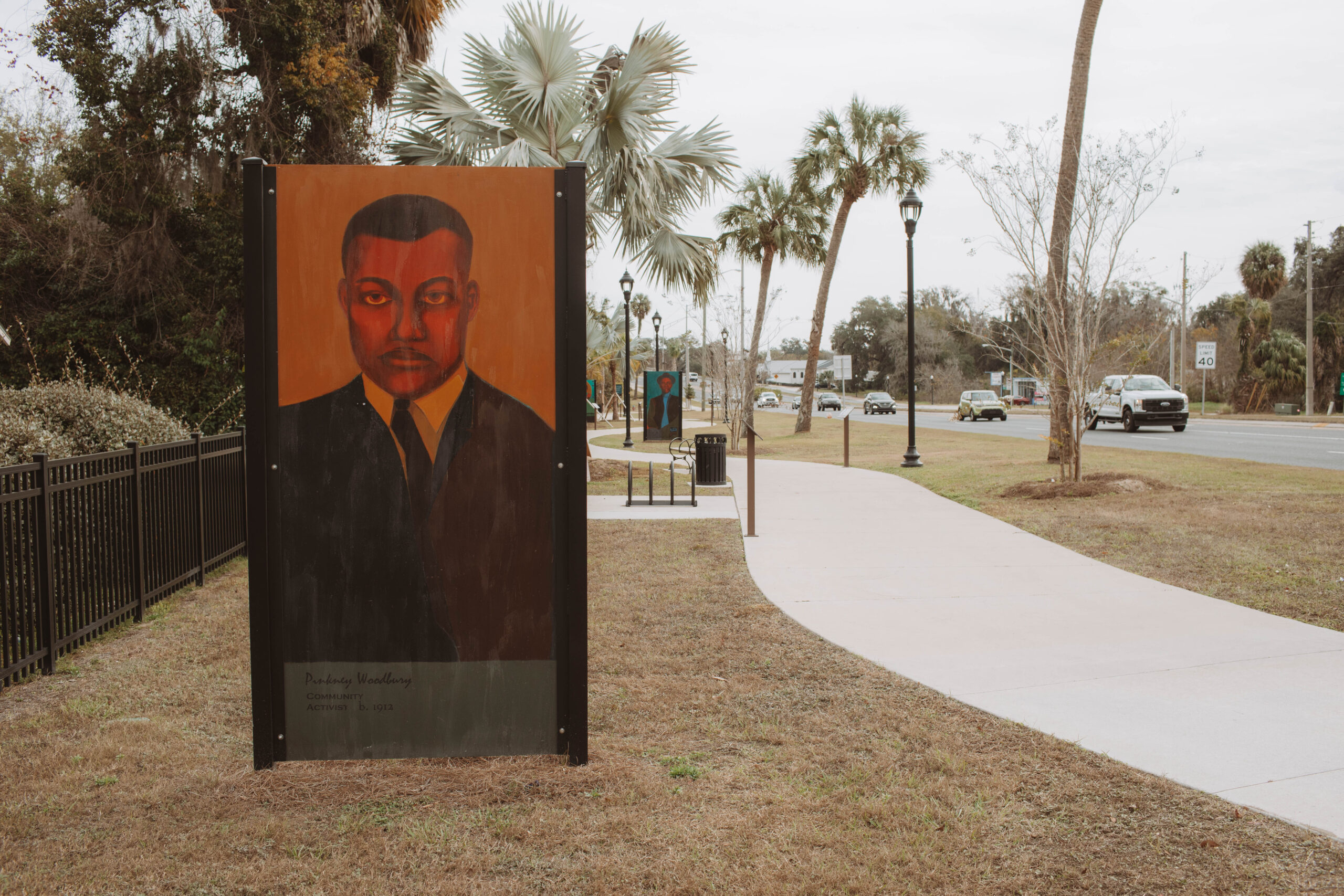
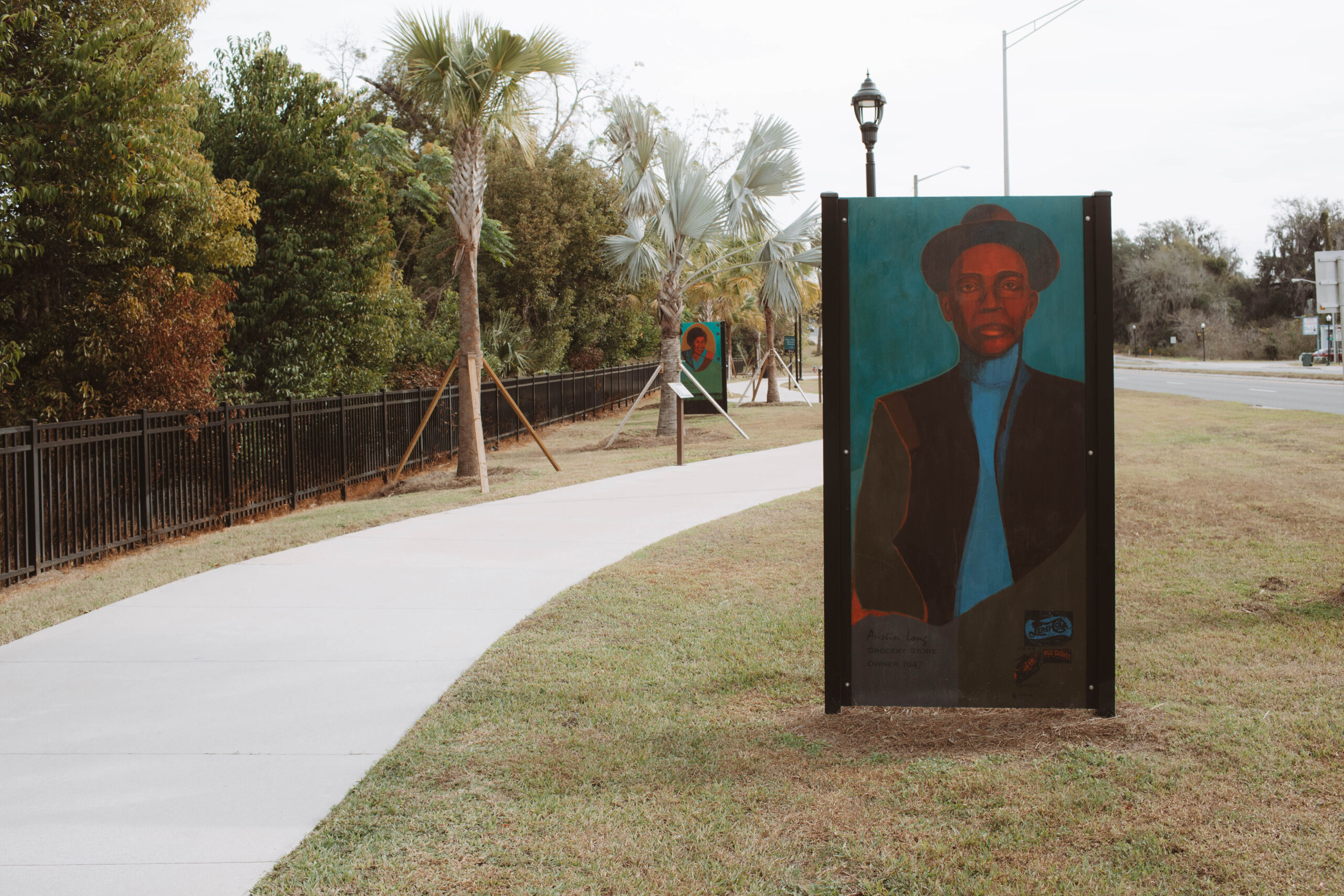
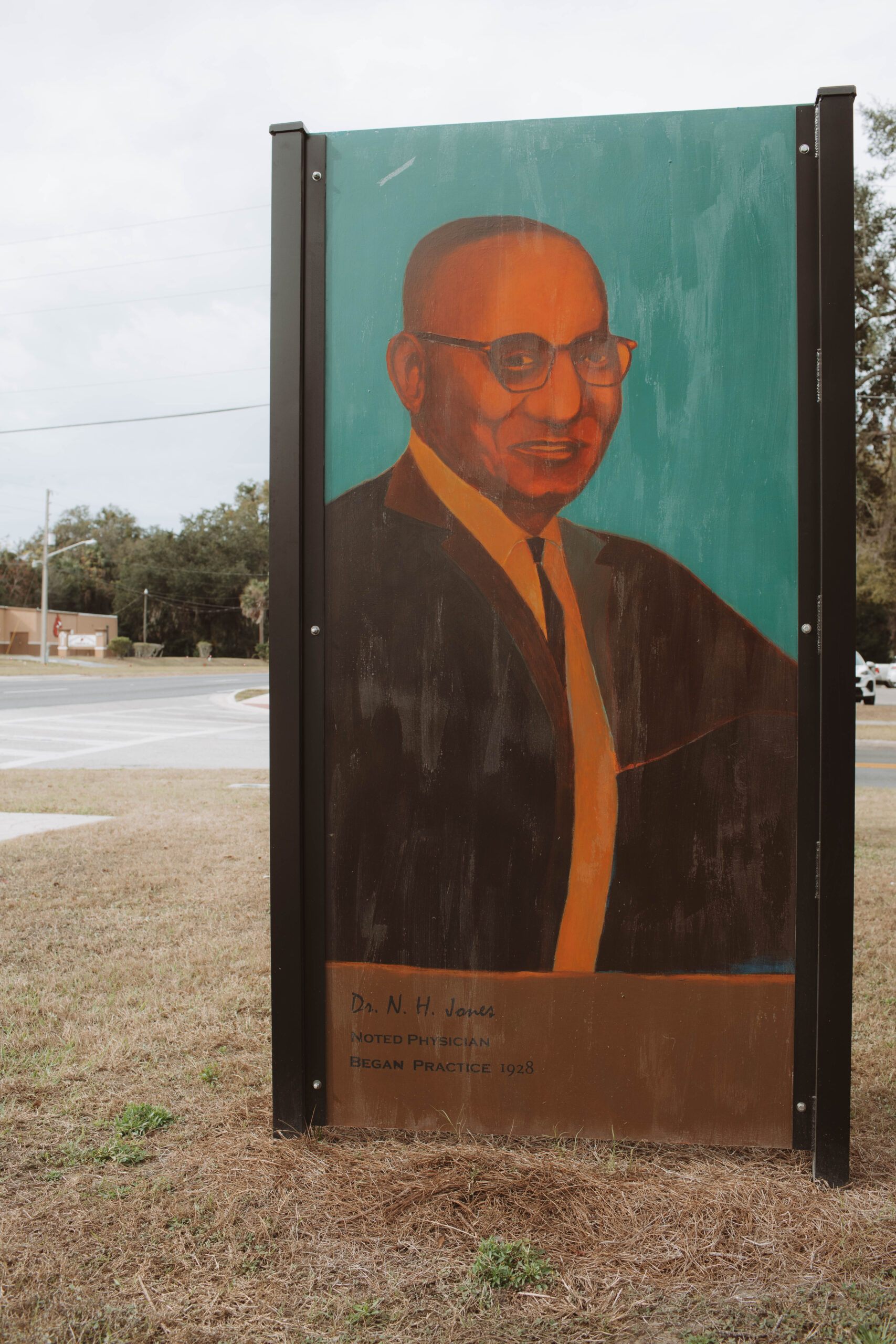
His words ignited action. Despite the harsh restrictions of Jim Crow laws, Black residents responded by creating businesses, institutions, and opportunities for one another within their own communities. Many of the Black-owned enterprises were located on South Magnolia and Broadway Street, which flourished, reflecting resilience, ingenuity, and collective determination.
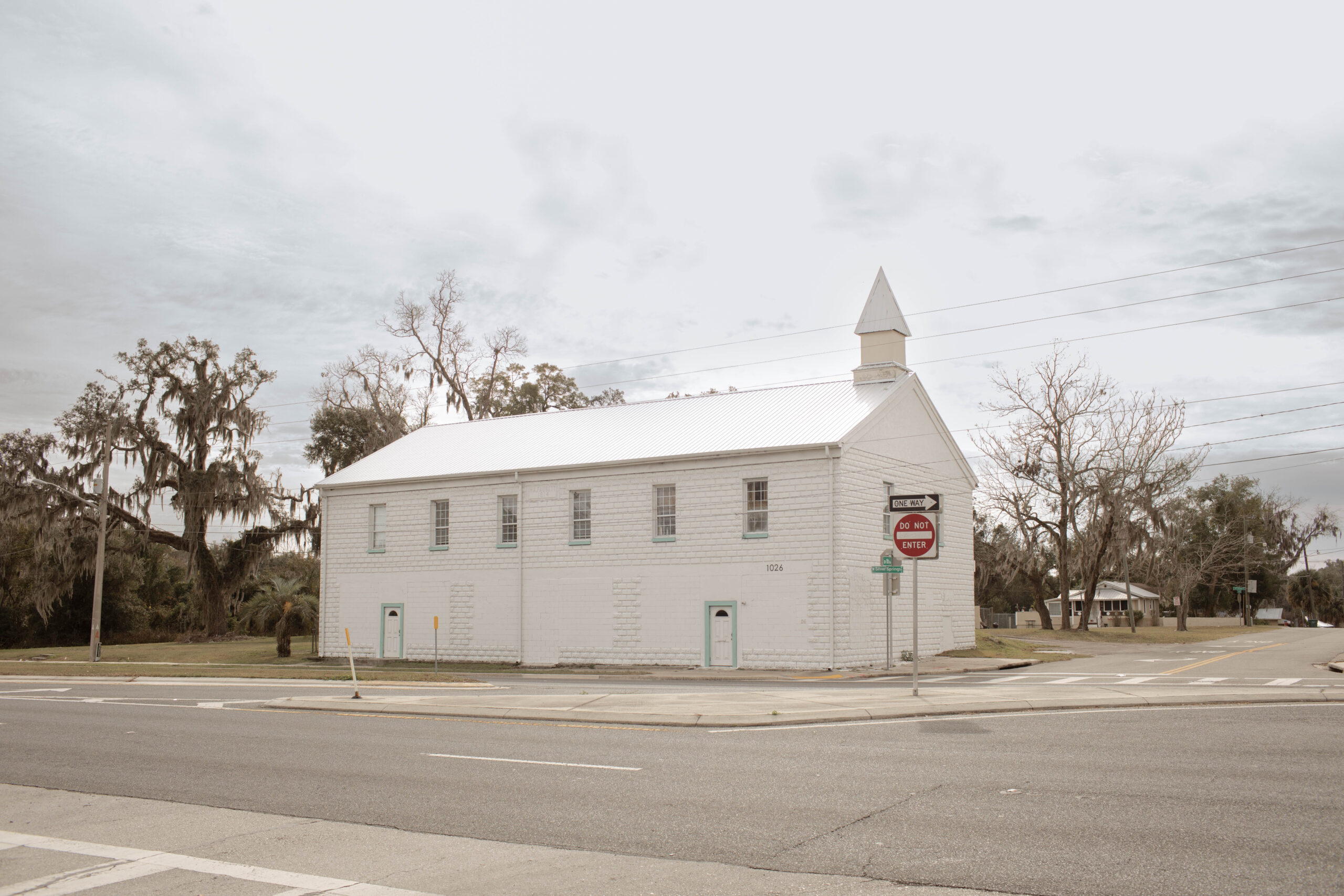
With the advent of integration, many of these businesses closed as economic patterns shifted, and today the buildings that once housed them stand as the last physical reminders of this vibrant era of Black enterprise. Though time has weathered these structures, the spirit of economic empowerment and mutual support they embodied continues to resonate.
As Ocala grew, West Ocala was incorporated into the city, and the site became the city’s fairgrounds, a vibrant gathering place during the mid-20th century. Fairs, festivals, and public celebrations filled the grounds with laughter and connection, bringing families together and strengthening bonds across the community. The fairgrounds became a shared space where civic pride and collective joy flourished.
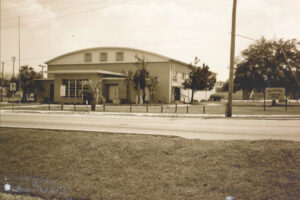
In 1949, a new chapter of service and dedication unfolded with the founding of the Florida State Fire College on these grounds. For more than fifty years, firefighters from across the state trained here, learning to protect lives and serve their communities with courage and discipline. The legacy of public service established during this era remains deeply woven into the site’s character.
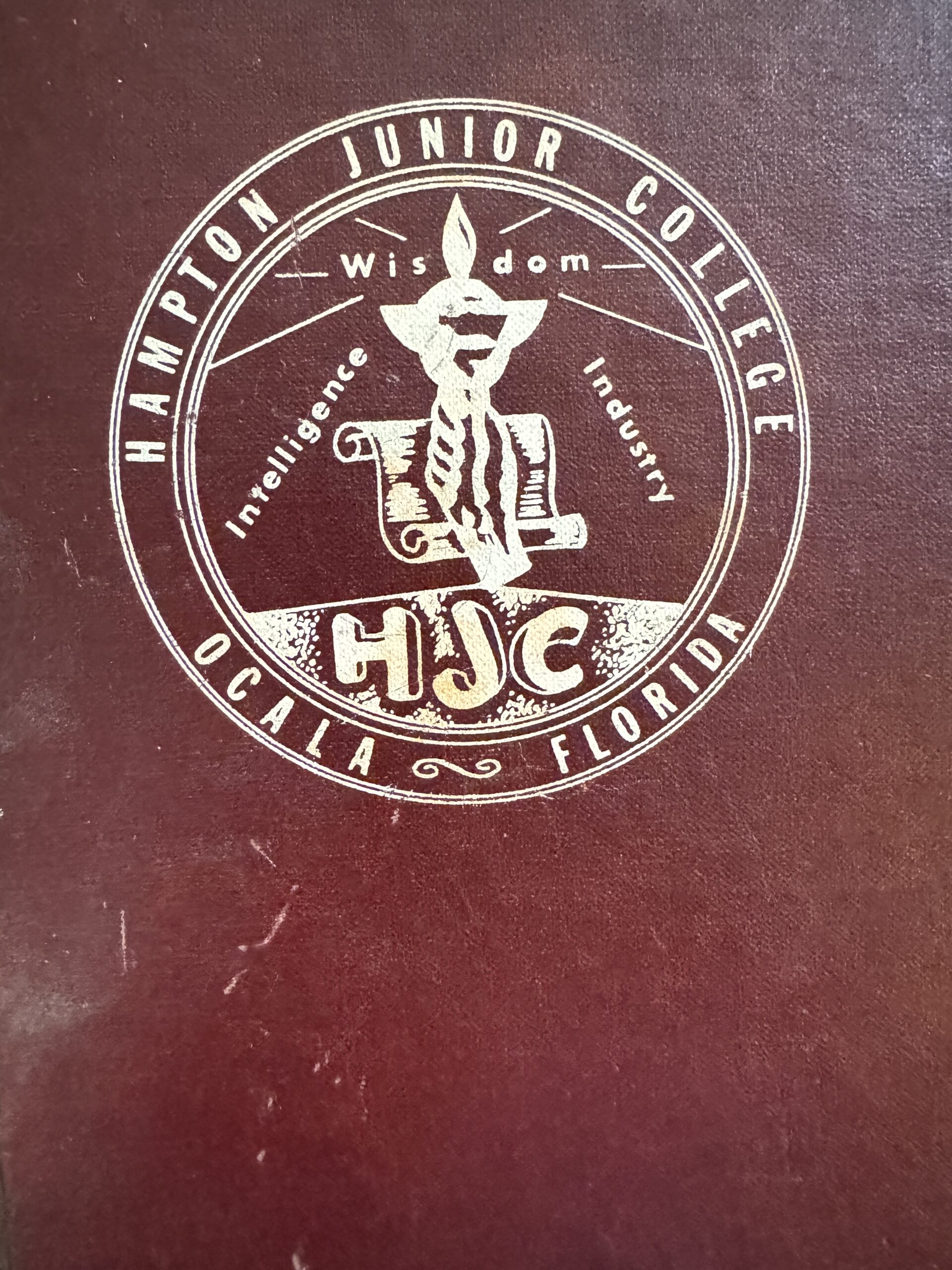
Education once again took center stage in 1958 with the establishment of Hampton Junior College, one of Florida’s Black junior colleges created during segregation. Hampton opened the doors to higher learning for African American students at a time when opportunities were limited, nurturing intellect, leadership, and hope. Its mission lived on through its 1966 merger with Central Florida Junior College, today’s College of Central Florida, ensuring continued access to education and advancement.
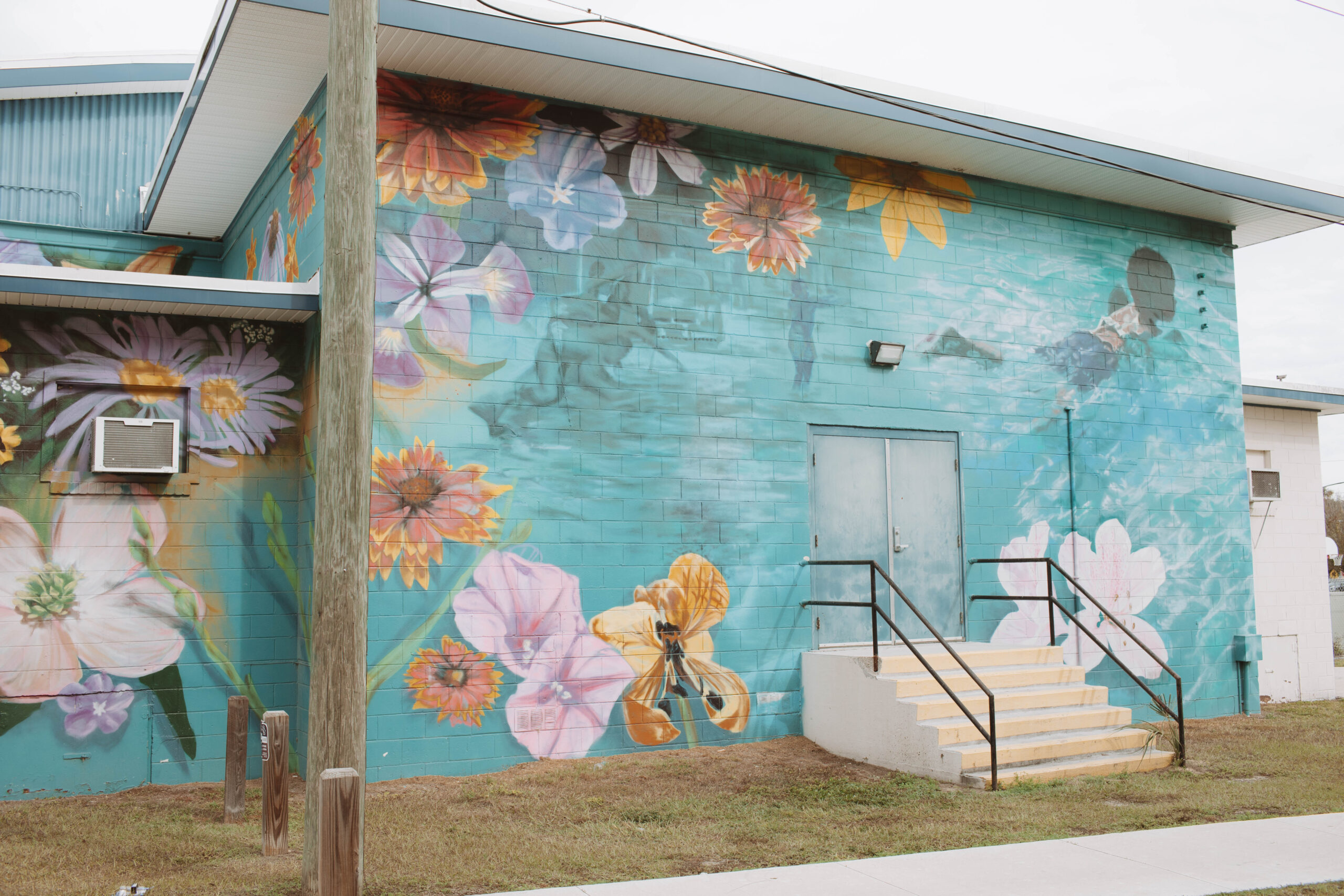
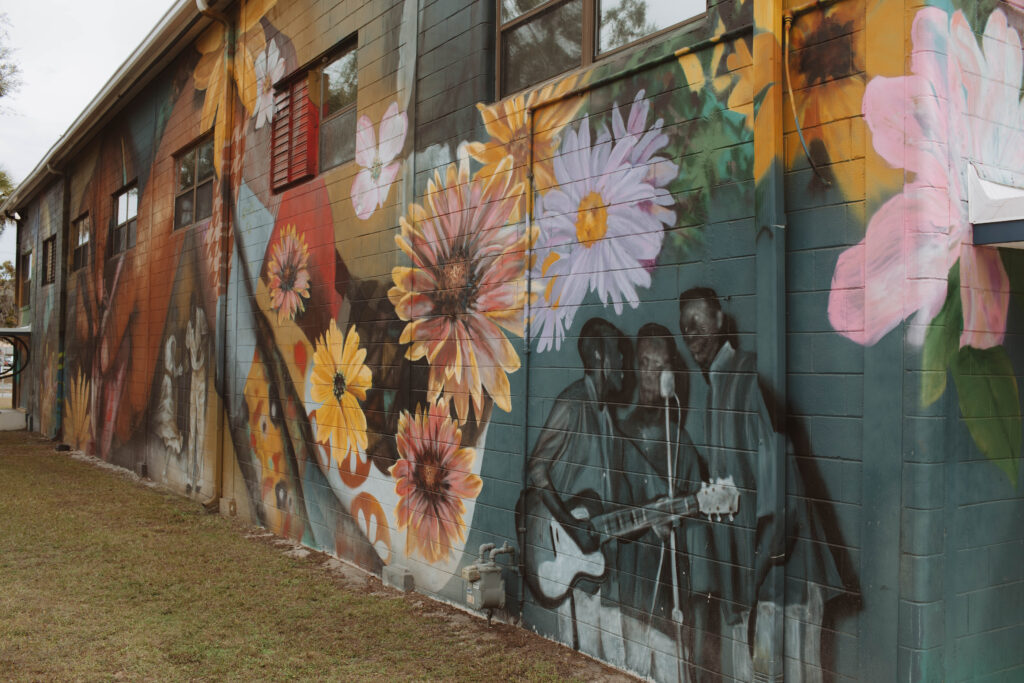
Today, these historic grounds thrive as the Martin Luther King Jr. Complex, a living reflection of the dreams, struggles, and achievements of those who came before. Anchored by the College of Central Florida’s Hampton Campus, the site continues to champion learning and opportunity. The Ed Croskey Center energizes the community through events and gatherings, while the Hampton Aquatic Center, Greig Baseball Field, and Webb Football Field promote health, teamwork, and excellence for residents of all ages.
From the echo of Booker T. Washington’s inspiring words in 1913 to its present role as a center for education, recreation, and community life, the Martin Luther King Jr. Complex stands as a testament to progress. It is a place where history lives, resilience endures, and each new generation is invited to build upon the legacy, honoring the past while boldly shaping the future.
Explore the rich heritage of African Americans in Ocala and Marion County on the West Ocala Driving Tour.