
Breathwork: The Bridge Between Mindfulness and the Body
By Lisa McNett , Founder of One Breath Institute and Creator of Introspective Breathwork® Therapy
In a world that constantly pulls us out of the moment, breathwork brings us back.
“Breathwork” is a broad term referring to many intentional breathing styles—from yogic pranayama to martial arts, Tai Chi, and indigenous traditions. Even the Bible references the breath as sacred. Not because breath is spiritual—but because it’s essential.
It’s the first thing we do when we’re born, and the last thing we do before we die. And in between, it’s the one thing we can consciously control that also happens automatically. It’s our anchor. Our regulator. Our reminder that we’re alive.
The quality of your breath affects the quality of your life.
When your breath is shallow or rushed, so are you. But when you breathe deeply and consciously, you reconnect—with your body, emotions, and the present moment.
And that is the heart of mindfulness: presence.
Most of our reactions aren’t actually conscious choices. Neuroscience shows 95% of what we do is unconscious—driven by patterns stored in the body. That’s why we repeat the same behaviors, even when we know better.
This is where Introspective Breathwork® comes in.
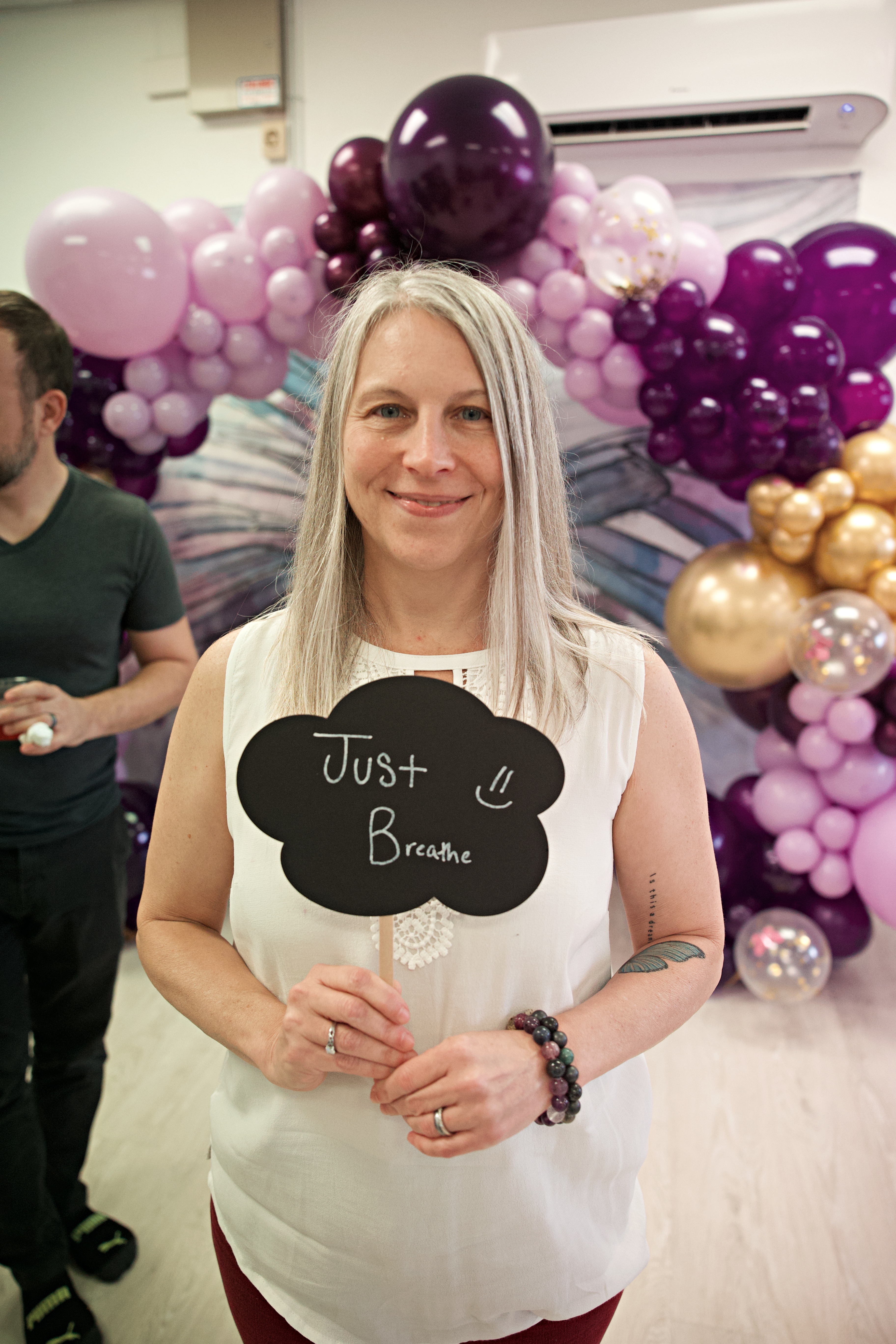
It’s a trauma-informed practice where you breathe intentionally for 30–60 minutes, in a safe container, allowing unconscious patterns to rise and release. Rather than impose a breath pattern, we follow the body’s wisdom—letting the breath guide the process of healing and integration.
Through this work, clients reconnect with themselves, shift long-held patterns, and move through life with more clarity, courage, and presence.
At its core, mindfulness means being with what is.
And there’s no faster way to return to the now than through your breath. Your breath is an anchor, a compass, and a catalyst for change.
So if you want to become more mindful—start simply. Pause. Take three slow, intentional breaths.
Feel what it’s like to be here, now. That’s mindfulness, in motion.
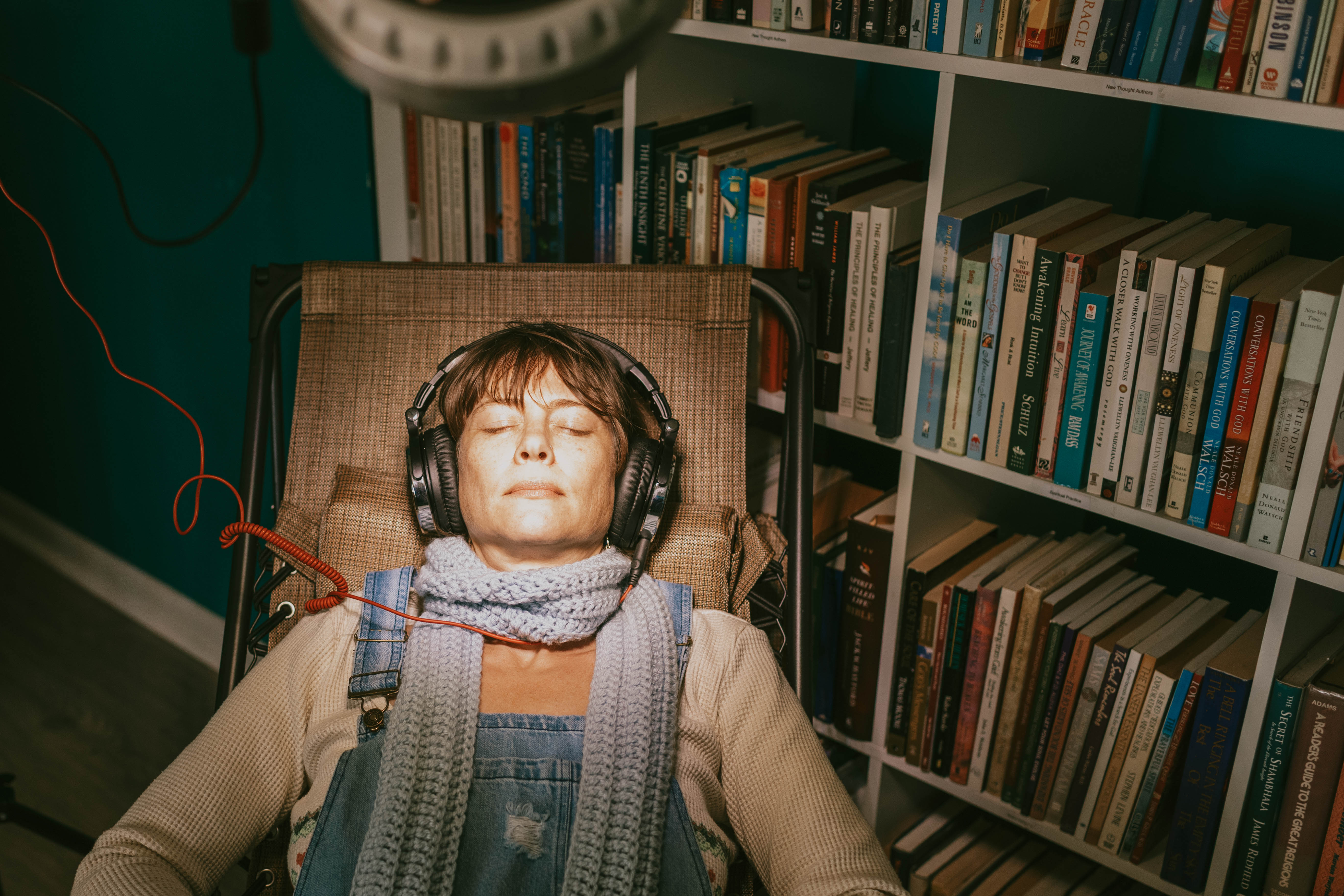
The HUB@CSL Ocala: A New Space for Mindfulness, Innovation, and Community
By Cindy Grimes
Grounded in ancient wisdom and elevated by modern technology, something quietly transformative is unfolding in Ocala. The HUB @ Center for Spiritual Living Ocala is a new kind of synergistic community workspace—one devoted to promoting health, unity, and belonging in a world that increasingly needs all three.
Created with helpers, healers, and heart-centered leaders in mind, The HUB is designed to support mindfulness, nervous system regulation, and meaningful connection—especially for those who continually give of themselves in service to others. It is a place to pause, breathe, recalibrate, and feel renewed.
What makes The HUB unique is its intentional blend of high-tech and low-tech experiences. High-tech offerings include Roxiva light-and-sound brain-entrainment sessions, Virtual and Mixed Reality (VR/MR) experiences that gently shift perception and perspective, and HeartMath biofeedback to cultivate emotional coherence and resilience. These innovative tools are thoughtfully paired with time-honored, embodied practices such as sound baths, drumming, guided meditation, and facilitated circle gatherings. Workshops and retreats focused on peacebuilding, trauma awareness, resilience, conscious communication, and conflict resolution further support both personal and collective healing.
Together, these modalities invite deep relaxation, somatic reset, and even visionary states often associated with psychedelic experiences—without the use of substances. The emphasis is on safety, integration, and bringing insight into everyday life. Whether one is seeking calm, clarity, healing, or creative inspiration, The HUB offers a gentle path back to one’s most authentic self.
Center for Spiritual Living Ocala, which hosts The HUB, is an inclusive, non-traditional spiritual community for those who identify as spiritual but not religious. The HUB extends this ethos into a shared space where growth is nurtured, differences are honored, and community is intentionally cultivated.
The HUB welcomes yoga and somatic movement teachers, therapists, healing arts practitioners, conscious entrepreneurs, and anyone longing for a place to reset, recharge, and reconnect with the highest, best version of themselves. Curious minds and open hearts are encouraged to visit, explore, and experience The HUB. Sometimes the next step on the path isn’t more effort—but simply entering a space designed to help us return home to ourselves.
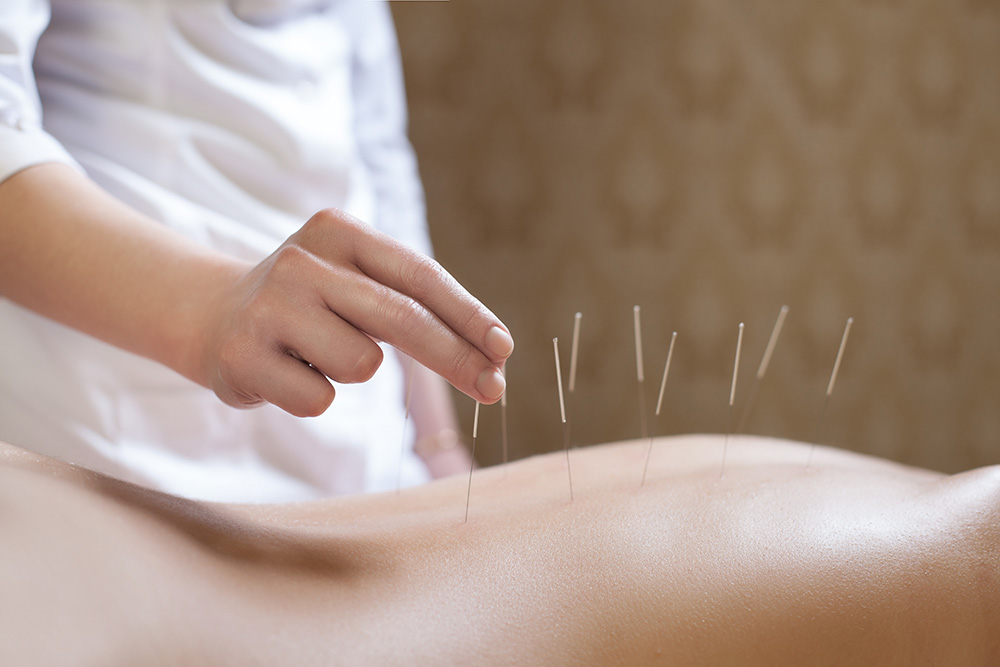
Aligning Body & Mind: The Synergy of Acupuncture & Mindfulness
By ERICA OLSTEIN, Acupuncturist
Acupuncture and mindfulness share a common purpose: restoring balance in the body and improving awareness of internal states.
Acupuncture influences the autonomic nervous system by stimulating specific points that can reduce sympathetic arousal and promote parasympathetic activity. This shift aligns with the goals of mindfulness practices, which aim to calm the mind and heighten present moment awareness.
Research shows that acupuncture can lower stress hormones and modulate brain regions involved in mood regulation, including the amygdala, hypothalamus, and prefrontal cortex, which coordinate emotional processing, stress signaling, and executive control. Stimulation of these networks supports regulation of the brain’s limbic system and enhances communication between the body and the central autonomic centers.
When combined with mindfulness, acupuncture can reinforce attentional control by helping patients tune into bodily sensations during treatment. The quiet and intentional nature of acupuncture sessions encourages reflective breathing patterns and supports mental grounding.
Many individuals report improved sleep, reduced muscle tension, and clearer emotional processing, further strengthening mindfulness practices outside the treatment setting.
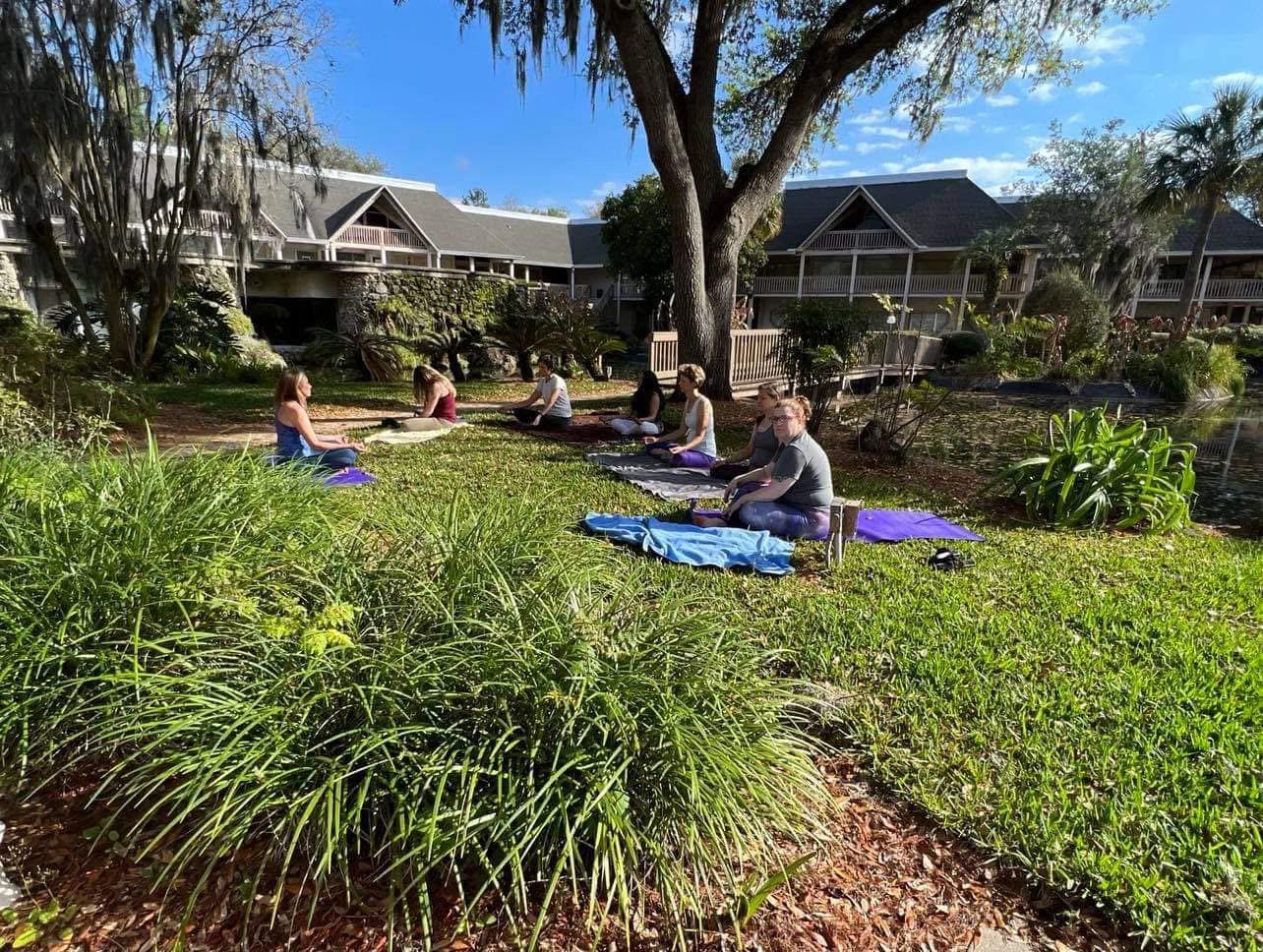
Living an Imperfectly Mindful Life
By Amy K. Roberts
My favorite thing about mindfulness is that it teaches grace and kindness. So many people are their own worst and harshest critics. With mindfulness, you become your own comforter during difficulty and embrace the full spectrum of being human—not superhuman, not perfect, not an overachiever, but simply you. As this shift begins, you develop more patience for those you love most, for colleagues in the workplace, and even for people you’ve just met. It creates opportunities to listen to what you need most and to value and honor your own soul and challenges. In doing so, somehow, you become better able to honor and value everyone else around you. You are more present, more aware, and more discerning in your actions and reactions.
Mindfulness may utilize very practical, often brief, 30-second to two-minute techniques that rewire responses, calm the nervous system, and allow space and respite. This can be done through breathing strategies, practices that focus on the five senses, time in nature, guided meditations, awareness of the physical body through body scans or mindful walking, and even mindful eating strategies.
While these small techniques can provide brief, immediate, short-term relief, it does take consistent practice and time before mindfulness awareness becomes a default setting for the nervous system—rather than society’s fast-paced, overly busy stress response.
Imperfectly Mindful Life, LLC offers weekend retreats where participants can practice extremely practical techniques with others who are seeking more peace, relaxation, and calm in their lives. Participants value connecting with others in this shared experience. These retreats are offered a few times throughout the year. For updates and guided meditation samples, please visit ImperfectlyMindfulLife.com or follow the Facebook page.
If you are 55 or older, you can participate in Healthy55’s weekly guided meditations on Tuesdays from 12:00 to 1:00 p.m. This is a free program for those 55 and older, as well as patients of the Robert Boissoneault Oncology Institute (RBOI).
Virtual meditations are offered to cancer patients, survivors, and loved ones who live in Ocala/Marion County every Friday from 10:00 to 10:30 a.m. Registration is required. Please contact Amy K. Roberts at 352-732-0277 through RBOI to attend. RBOI also offers six-week mindfulness classes for cancer patients and their families.
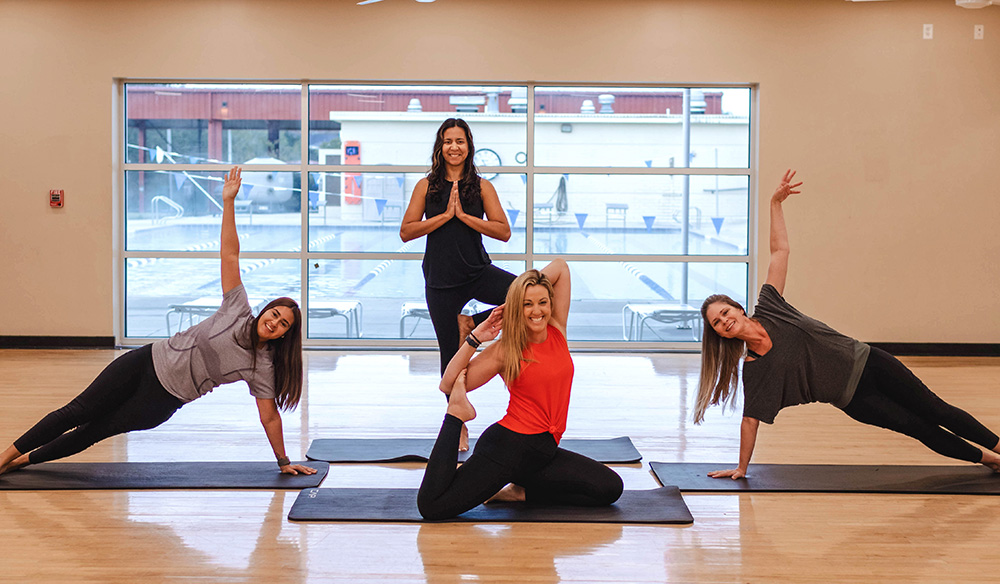
Mindfulness in Motion: Finding Presence at the Frank DeLuca YMCA
When people think of mindfulness, they often picture stillness—sitting quietly, eyes closed, breath slow and steady. But mindfulness doesn’t always begin in silence. For many, it begins in motion.
At the Frank DeLuca YMCA Family Center, mindfulness is woven into physical movement through a wide range of wellness offerings, including Pilates and yoga classes. These practices invite participants to connect mind and body, using intentional movement and breath to cultivate focus, balance, and awareness.
Yoga encourages mindfulness by asking practitioners to move deliberately, synchronize breath with motion, and remain attentive to sensation in the body. Whether holding a pose or flowing through a sequence, participants are guided to notice what’s happening in the present moment—without judgment. Over time, this awareness can translate off the mat, helping people respond more thoughtfully to stress, discomfort, and daily challenges.
Pilates offers a different but equally powerful pathway to mindfulness. Centered on controlled movement, alignment, and core strength, Pilates requires concentration and precision. Each exercise invites participants to stay fully engaged—aware of posture, muscle activation, and breath. This focused attention can quiet mental chatter and create a sense of grounded calm, even during physically demanding work.
Both practices support nervous system regulation, improve body awareness, and encourage a deeper connection between mind and body. For those who find traditional seated meditation difficult, movement-based mindfulness can feel more accessible and intuitive.
The Frank DeLuca YMCA’s wellness programs offer a welcoming environment for people at all stages of their mindfulness journey. Whether someone is seeking stress relief, physical strength, mental clarity, or a sense of balance, mindful movement provides a practical way to be fully present—one breath, one stretch, one moment at a time.
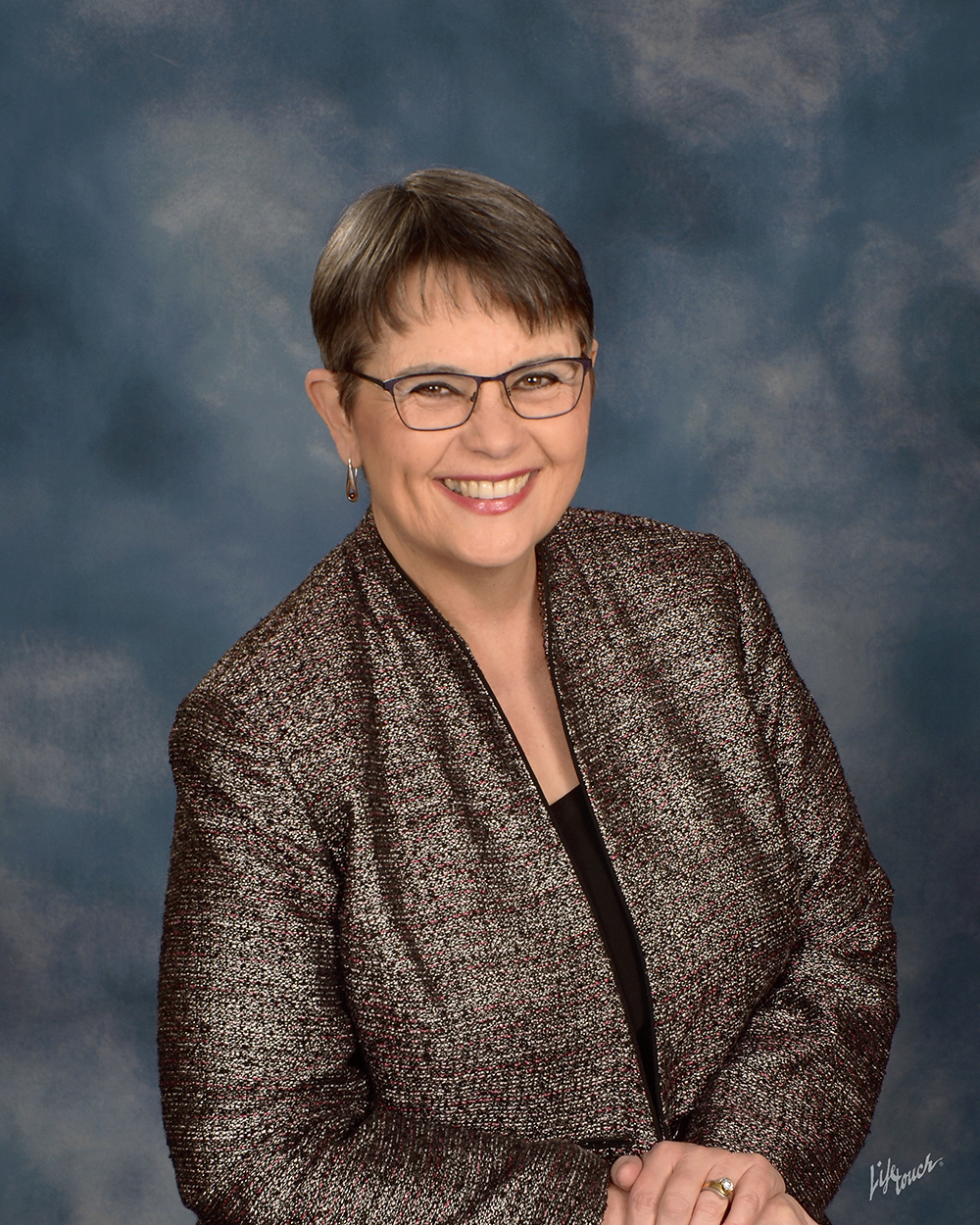 A Practical Mindfulness Application That Can Change Your Life
by Sydney Paredes, Executive Coach
As an Integral Coach®, I’m trained to work with clients holistically through practices which engage them cognitively, emotionally and physically. Simple mindfulness practices have become a key ingredient to help leaders be more effective, healthier and happier in all aspects of their lives.
When we are “triggered,” our bodies constrict or tighten in some way and our personality’s automatic pilot — our habitual reaction to pressure or perceived threat — takes over. Unless there really is a threat (rare), we are significantly less effective in this “triggered” energetic state.
A simple centering practice which takes only minutes a day allows us, once realize we’re triggered, to shift to a more centered and resourceful energetic state in which we can choose an effective response in almost any difficult situation. This is a path toward greater effectiveness quickly.
I have often observed clients, when coached into a more centered energetic state, quickly change their perspective in any given situation, problem or experience. This opens the door to a more effective and useful coaching experience.
Here’s a brief centering practice taken from Wendy Palmer’s Leadership Embodiment® coach training:
››››› Inhale up, lengthening your back to dignified posture.
››››› Long exhale down, softening your front and SMILE.
››››› Let gravity have your shoulders and jaw, and any tension.
››››› Balance your energy field: front, back, sides…. and extend it.
››››› Ask your body, “What would it feel like if I had just a little bit more ease in my being?”
››››› Wait a moment to notice if you get a response.
You’ll find me at sydney@breakthruleader.com if you want more information. Happy New Year!