WRITTEN BY: BRAD ROGERS
PHOTOGRAPHY BY: JOSHUA JACOBS
Catching Art Fever
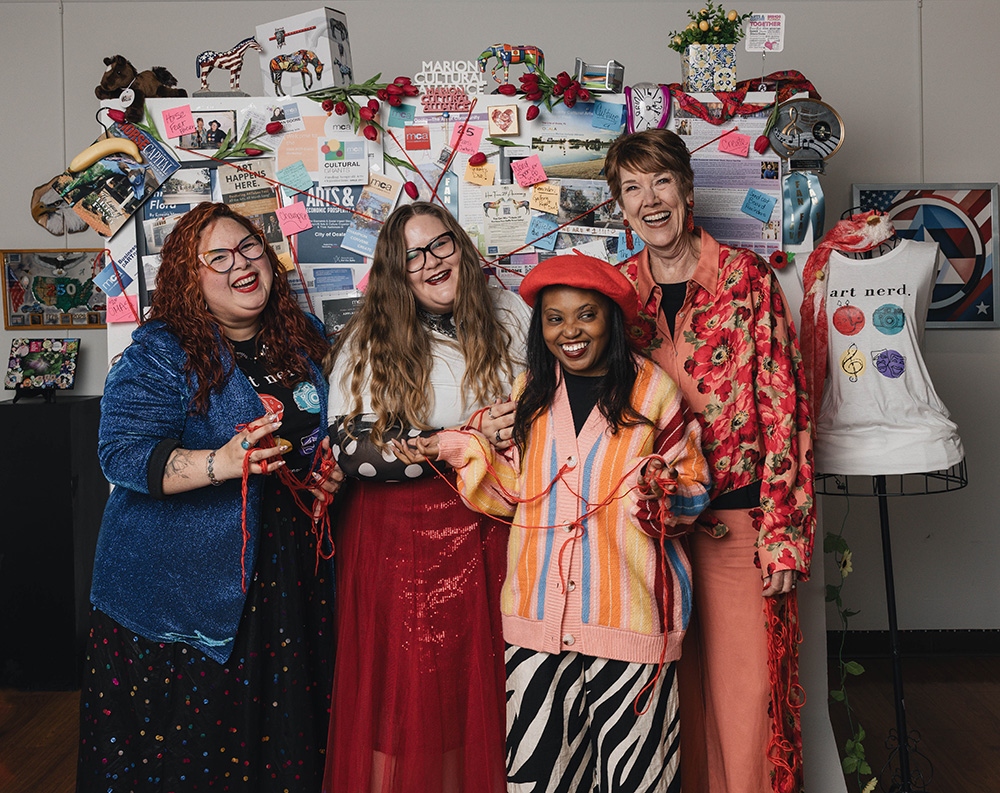
After 25 years, Horse Fever and MCA have changed the face and feel of Ocala. Step inside the “war room” to see how the organization connects the threads of the city’s sprawling arts scene.
It started out as a public art project that would celebrate Ocala’s equine heritage and, in the process, raise some money to expand the arts locally. It ended up, however, being much more—a transformative community initiative that Ocala has ridden for a quarter century to becoming one of the nation’s best mid-sized cities for the arts.
First came Horse Fever
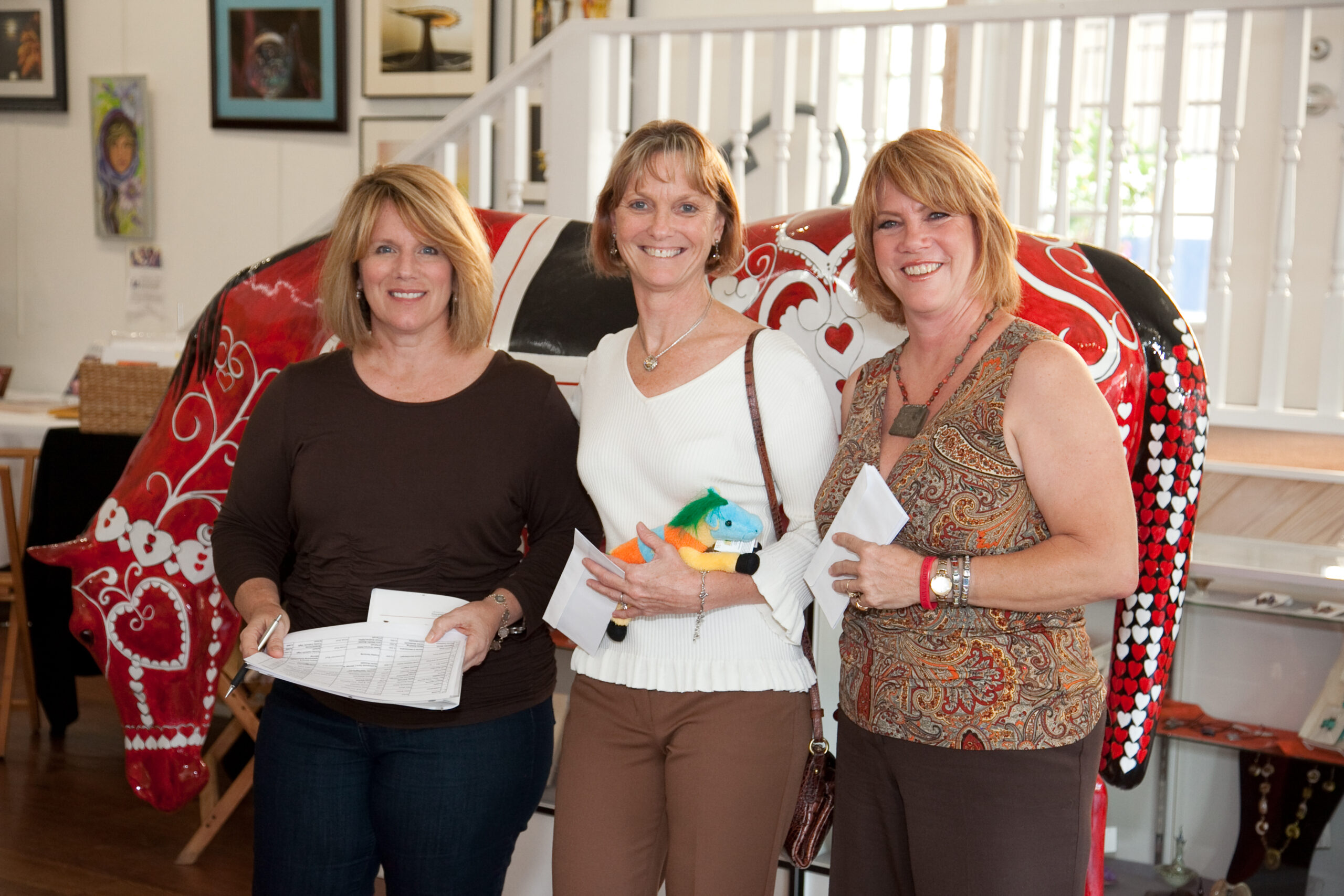
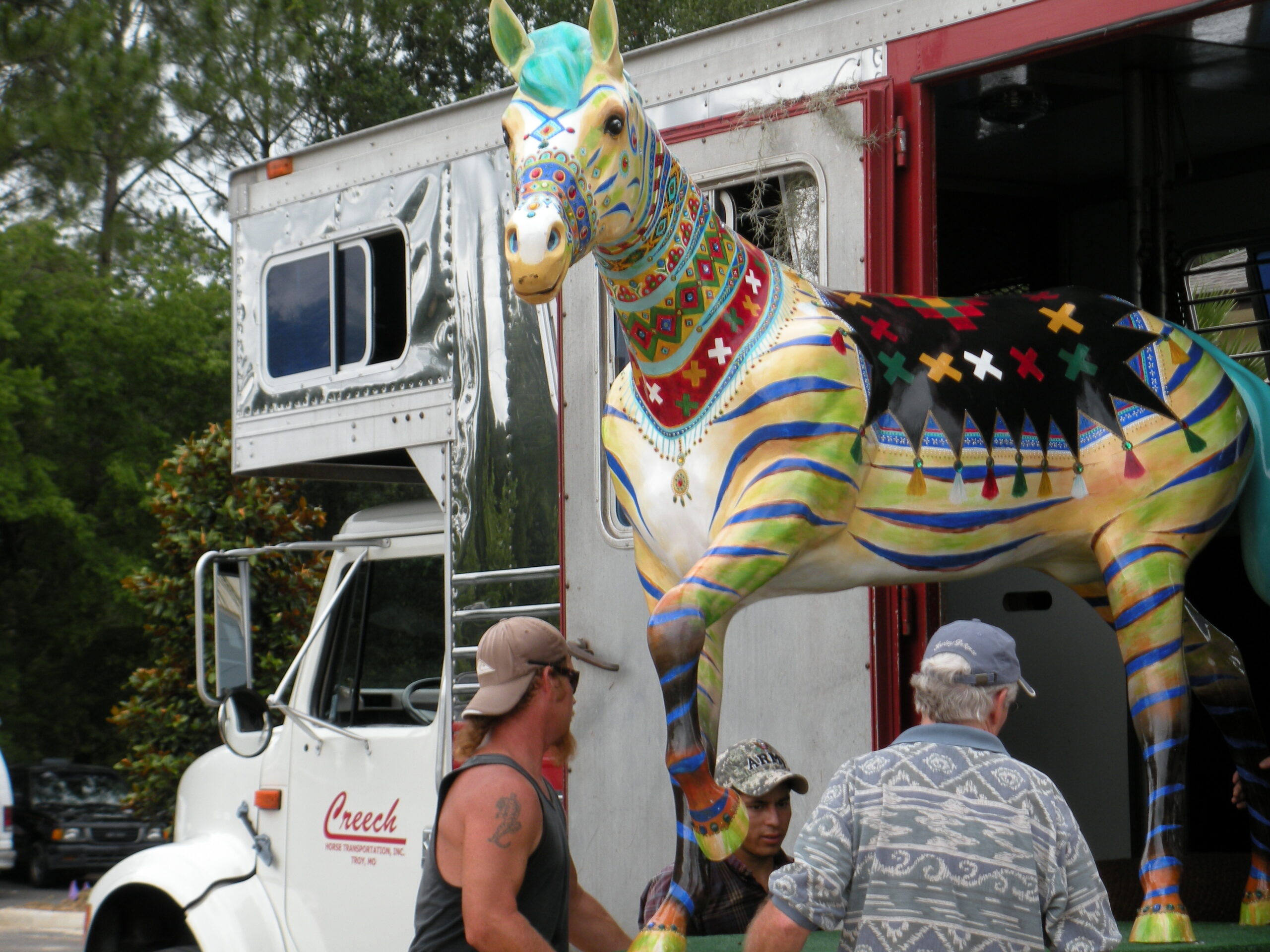
Horse Fever was that undertaking. It was started in 2000 by two local women, Paula King and Laurie Zink, both lovers of the arts with ties to the horse community. Both women had been to Lexington, Kentucky, on separate trips and seen what that city had done with its own public art project, “Horse Mania,” that placed painted horses around America’s other big equine center.
“We knew the potential of it, but you never know what the outcome is going to be,” said King, now an Ocala businesswoman.
Local artist/photographer/graphic designer Kent Weakley remembers going to an Advertising Federation meeting where Zink spoke in search of help from the group. She asked people there to come see her if they were interested in coming on board with Horse Fever. Weakley, who was relatively new to Ocala, hurried to get to Zink, thinking there would be a rush of people looking to join in. To his surprise, he was the only one to approach her.
The result of that encounter was he did Horse Fever’s promotional work—all of it, the group’s book, photographing the finished horses and designing the group’s website.
“It was nonstop work,” he said. In the ensuing years, he has painted four horses for the Horse Fever project as well.
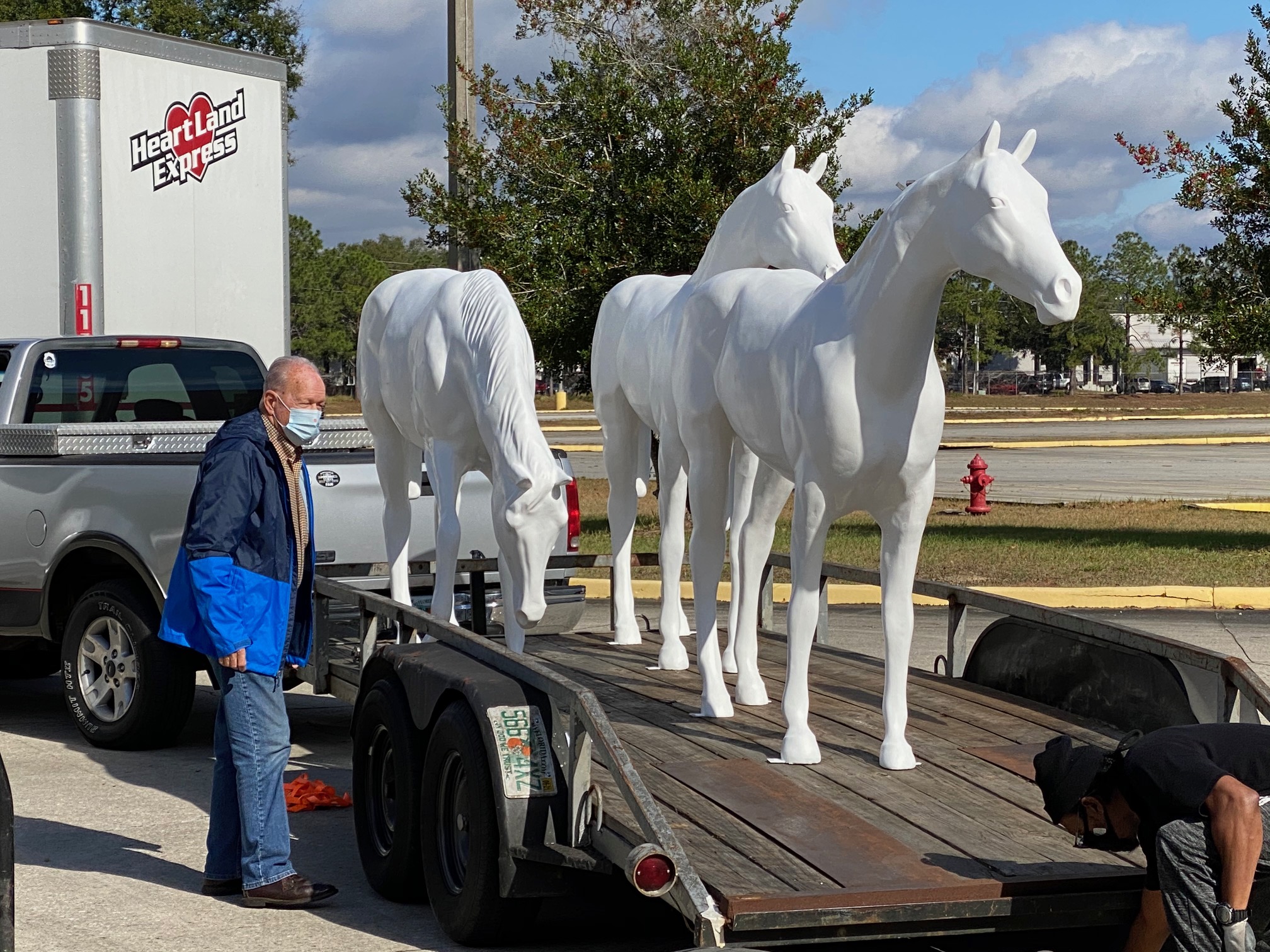
King and Zink sought the creation of the nonprofit Marion Cultural Alliance to act as an agent for Horse Fever and began knocking on doors of arts supporters and local businesses in search of financial backing. They found some support, but it was the Florida Thoroughbred Breeders’ and Owners’ Association that opened the door to moving forward. FTBOA gave King and Zink’s fledgling MCA group a line of credit to buy blank life-sized horses to be painted by local artists.
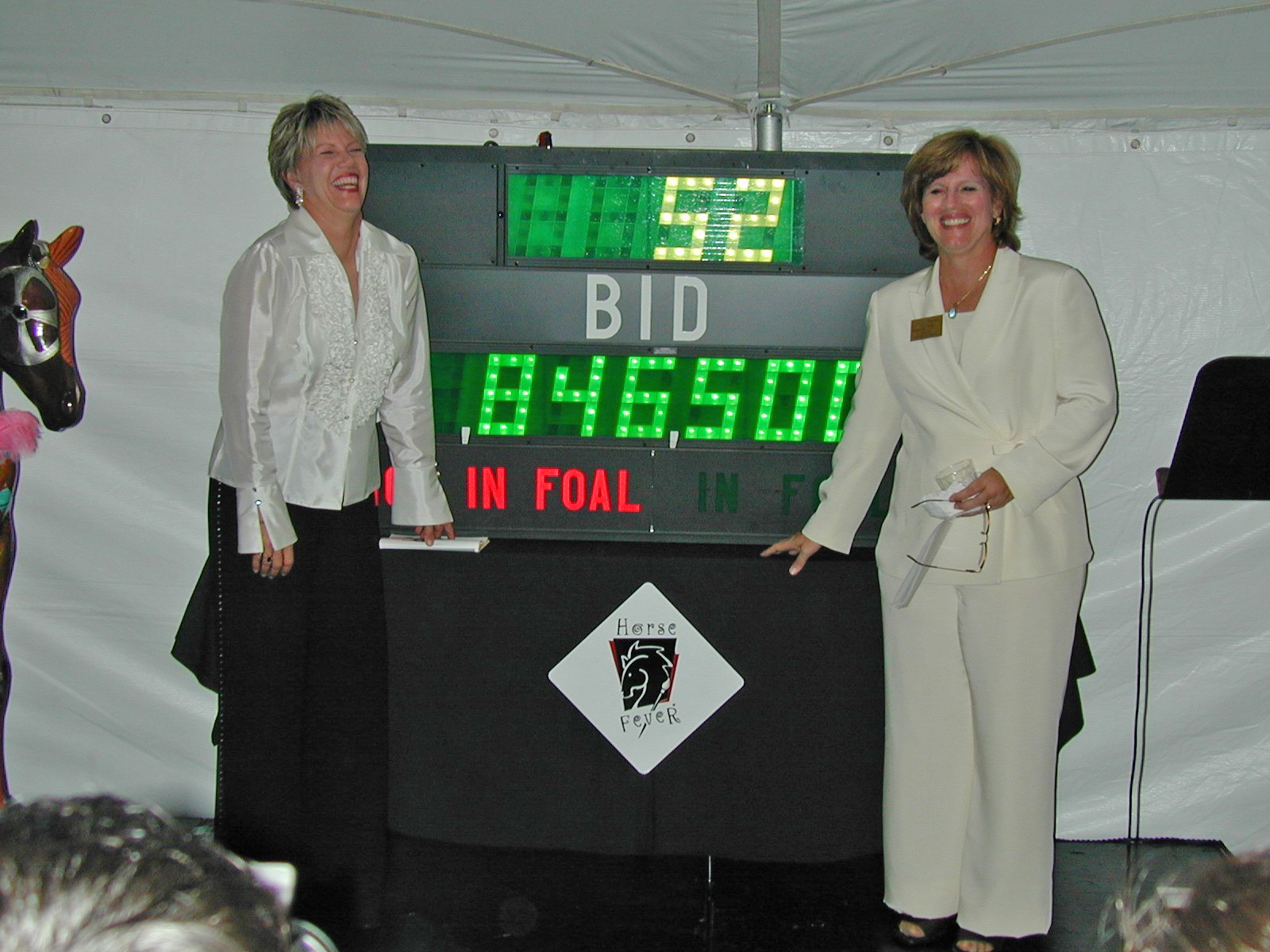
“The buy-in from FTBOA was critical,” King said, adding that the loan from FTBOA was paid back in four months. “We went from 25 to 52 planned horses.”
The FTBOA support was a huge springboard for Horse Fever, not the least because it drew the equine community into the fold.
An auction was planned, and local artists, sponsored by local businesses and corporations, were commissioned to paint the “herd” of 52 horses. Once the horses were painted, King and Zink asked the sponsoring businesses to display them in front of their buildings to stimulate public interest in Horse Fever and, hopefully, the auction. The response from the businesses and the public was unexpected and remarkable.
“People fell in love with the horses,” said Zink, who remains a front-and-center leader of Horse Fever 25 years in. “They felt like they were their horses. There was so much buy-in. It wasn’t about the horses, it was about the art. It became important.”
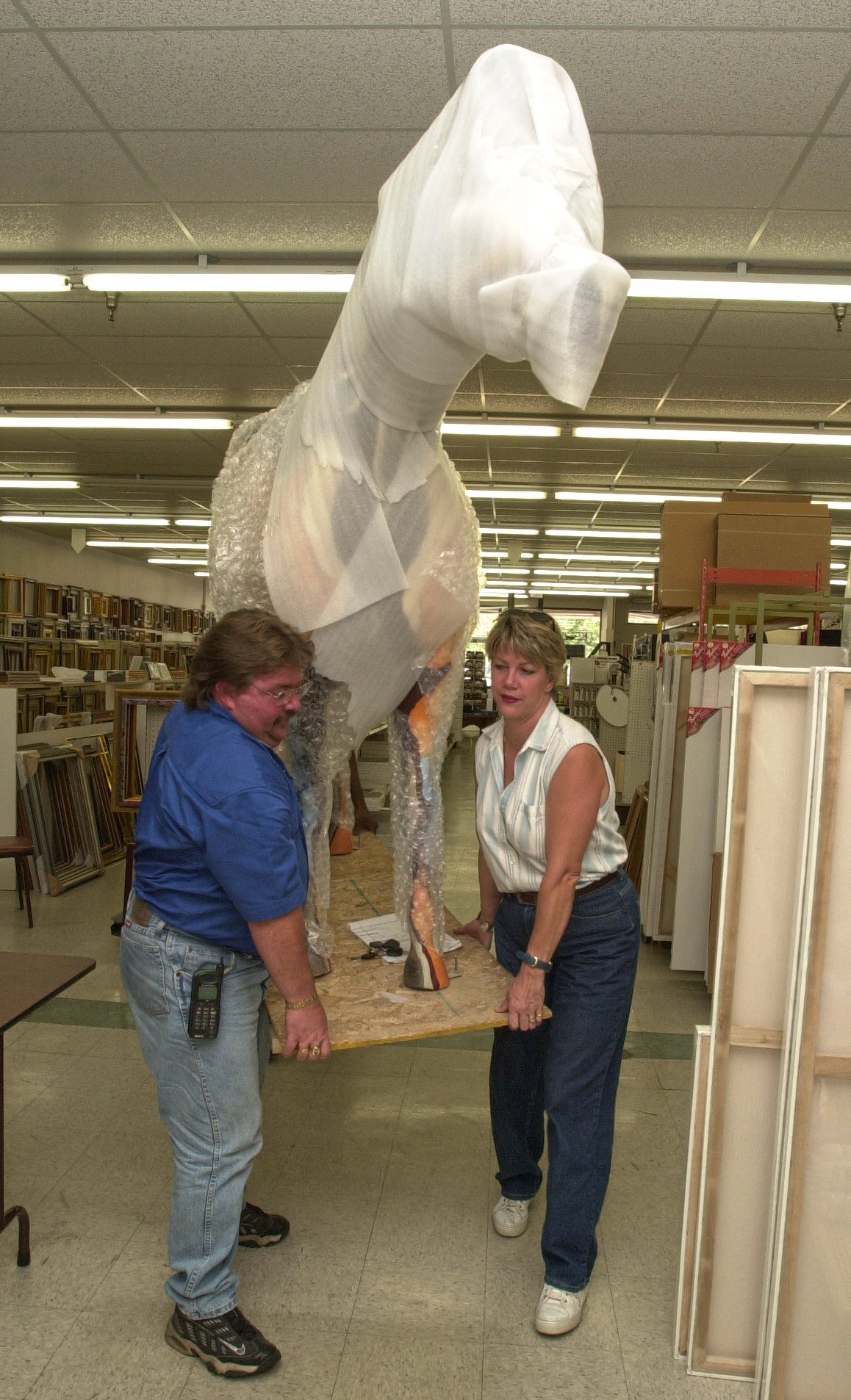
Zink said while businesses were initially skeptical about displaying the horses, when Horse Fever organizers came to retrieve the decorative horses for the auction, many businesses bemoaned losing them.
“It was a great showcase for our local artists,” King said.
After nearly two years of promoting Horse Fever—and with community interest steadily rising—an auction was scheduled for March 2002. The money from the auction was to be used to promote the arts in Ocala. To foster more corporate support, Horse Fever organizers told potential buyers whatever they bid, half would go to their favorite charity. A total of 27 organizations benefitted from that.
In the lead-up to the auction, however, 9/11 occurred. Horse Fever organizers feared the public would not be interested in a public art project with such serious matters facing the country. Nonetheless, with fingers crossed, they decided to go ahead.
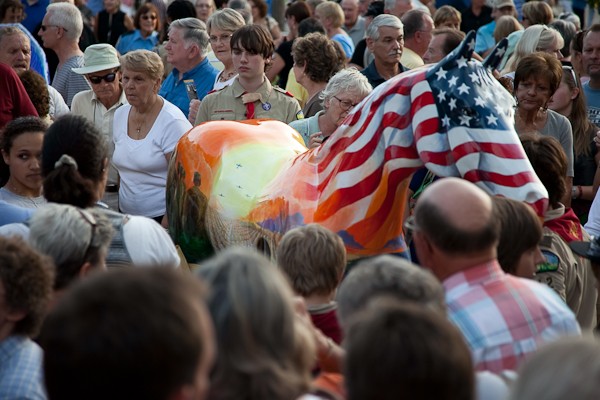
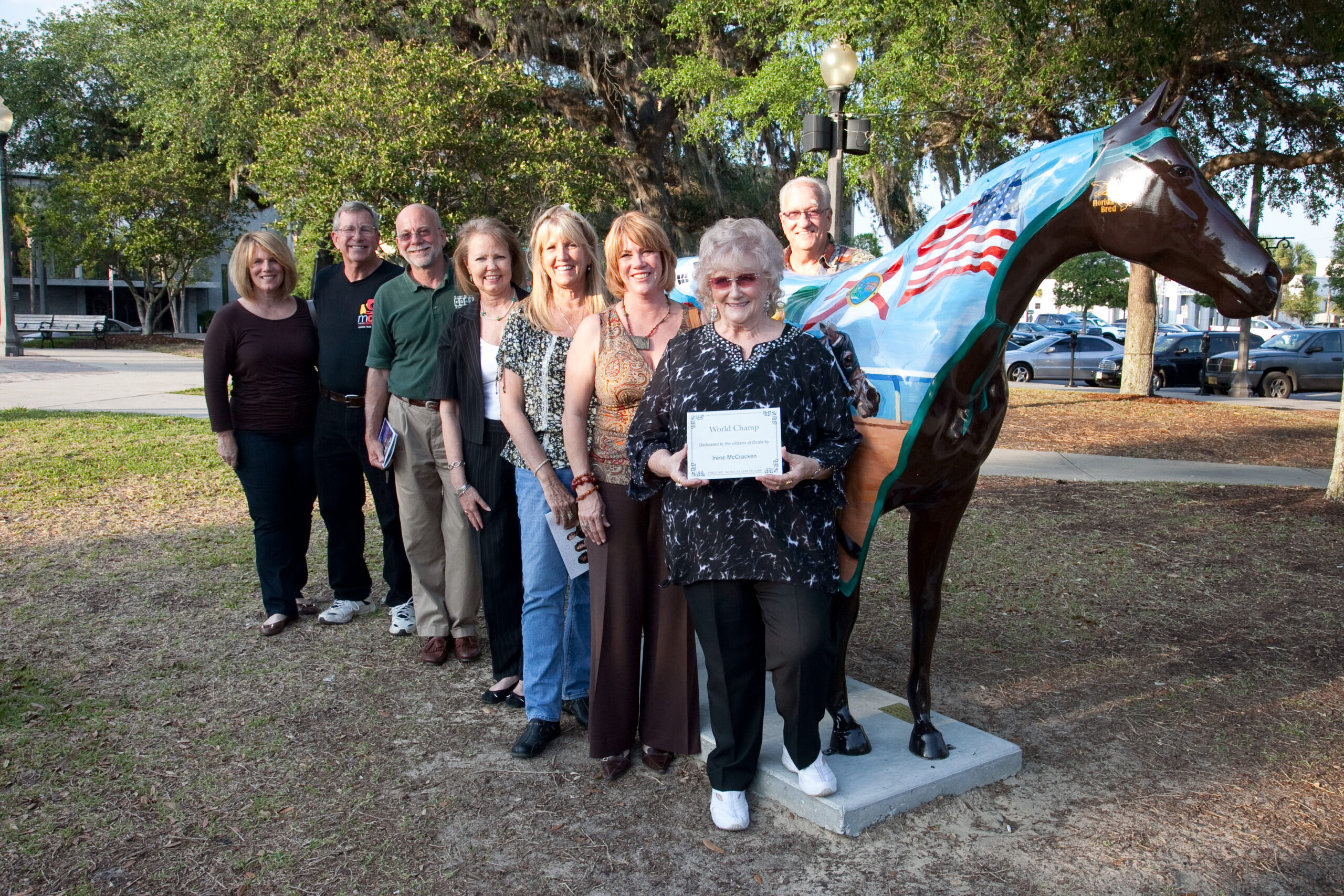
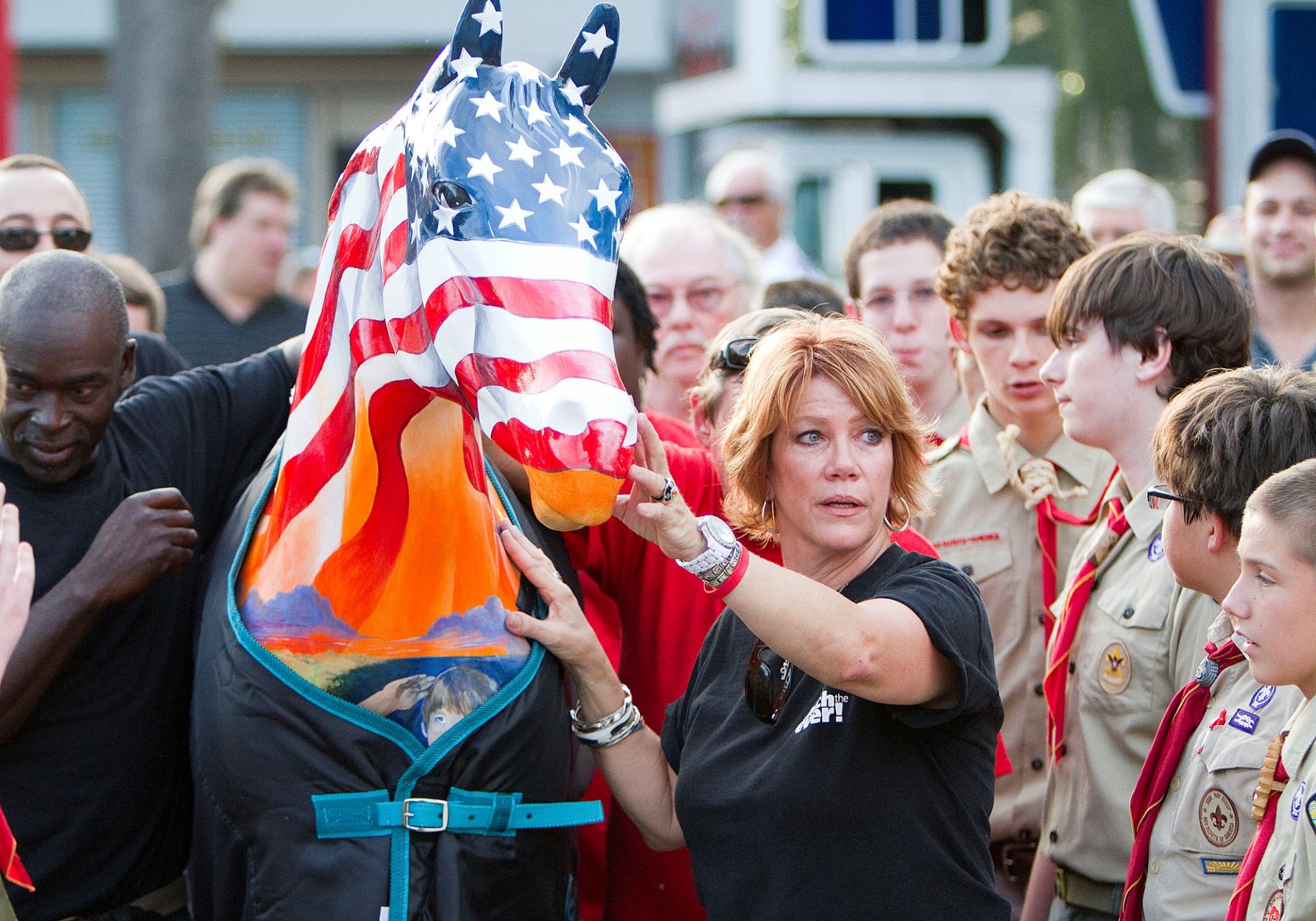
On the night of the unveiling of four horses on the downtown Ocala square, firefighters and Boy Scouts carried one of the horses, Old Glory—emblazoned with the American flag—through downtown Ocala. The reaction was magical, Zink said.
“I still get goosebumps thinking about that,” King said.
When the auction was held, King and Zink did not know quite what to expect. They hoped to raise $250,000.
They met their goal … and more. “By a mile!” King said.
After two years of unyielding promotion and work, the auction raised $860,000.
“That’s probably the best day of our lives, let’s be honest,” King said with a bit of hyperbole and a smile. “Not really, but it was truly amazing.”
It’s hard to imagine the impact the first herd of Horse Fever horses had once they were on full display. People traveled from all over Florida to view them, using a map created by Weakley. They were a draw and became beloved within the community. Of course, they remain fixtures of the local landscape today.
MCA makes its mark
With the money generated by Horse Fever, the Marion Cultural Alliance, or MCA, became more than just a group backing a public art project. It became, albeit slowly, a convener and catalyst for artists and the cultural arts in Ocala.
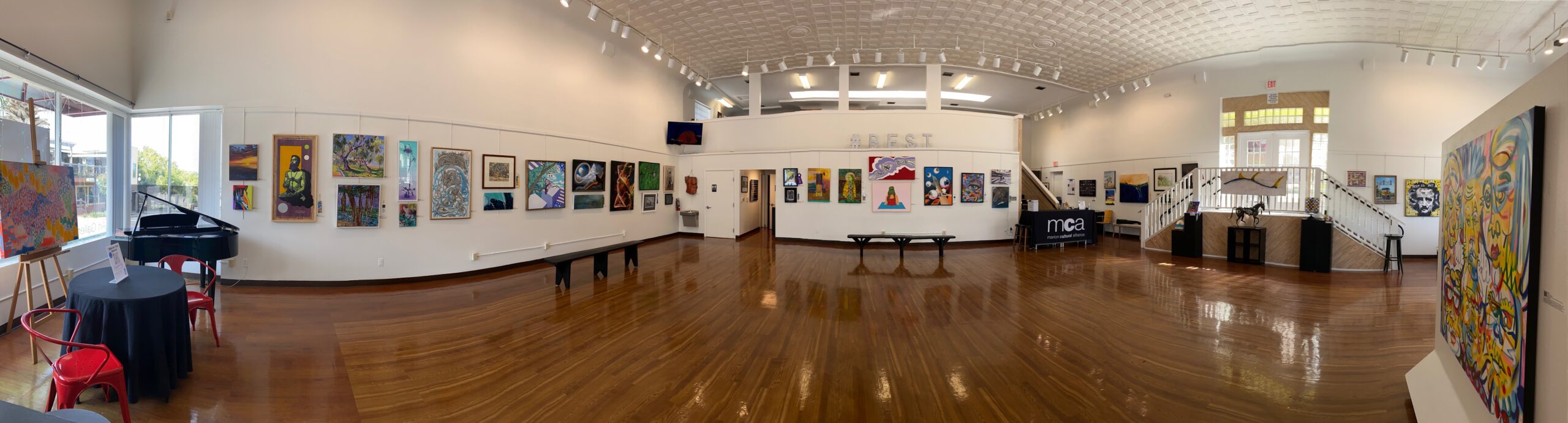
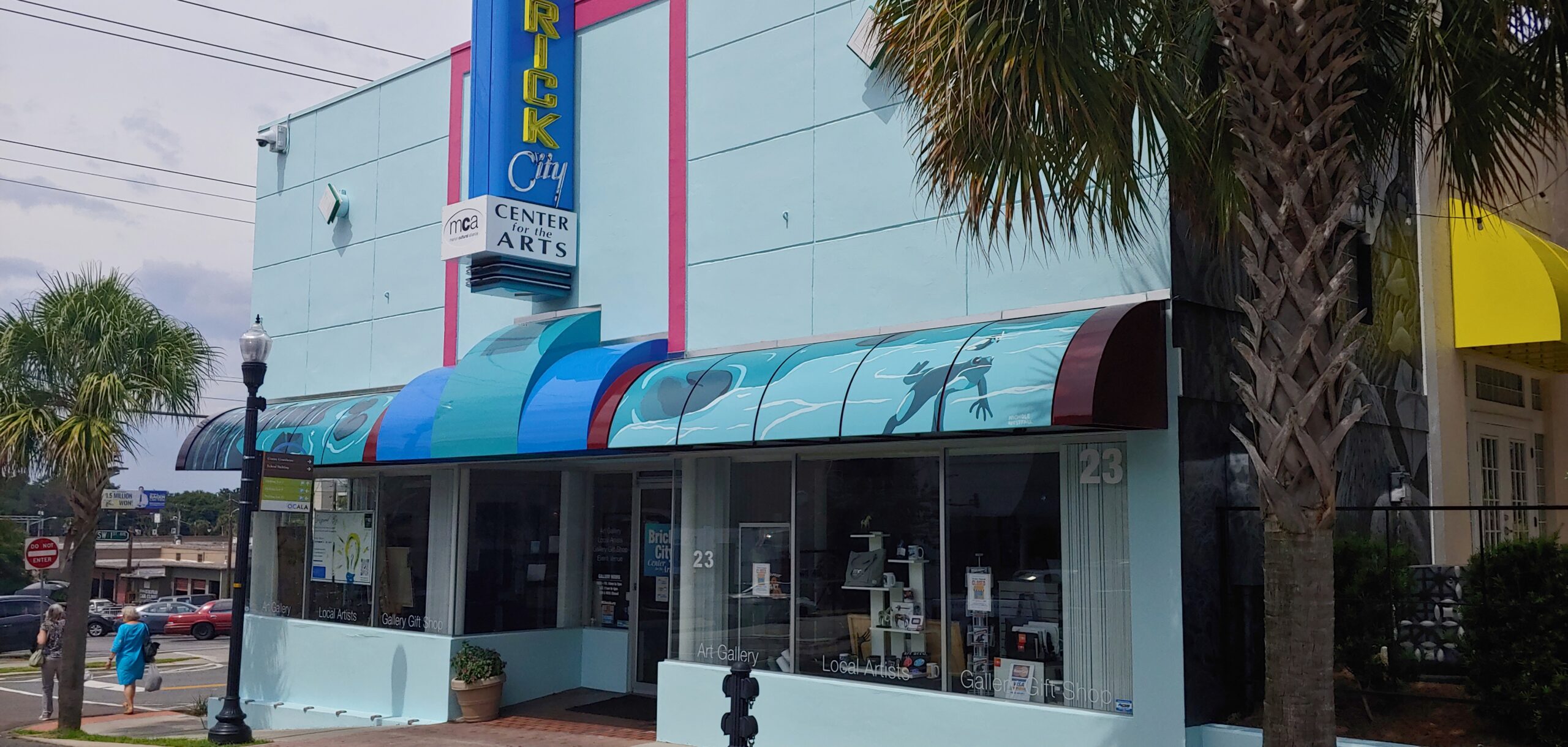
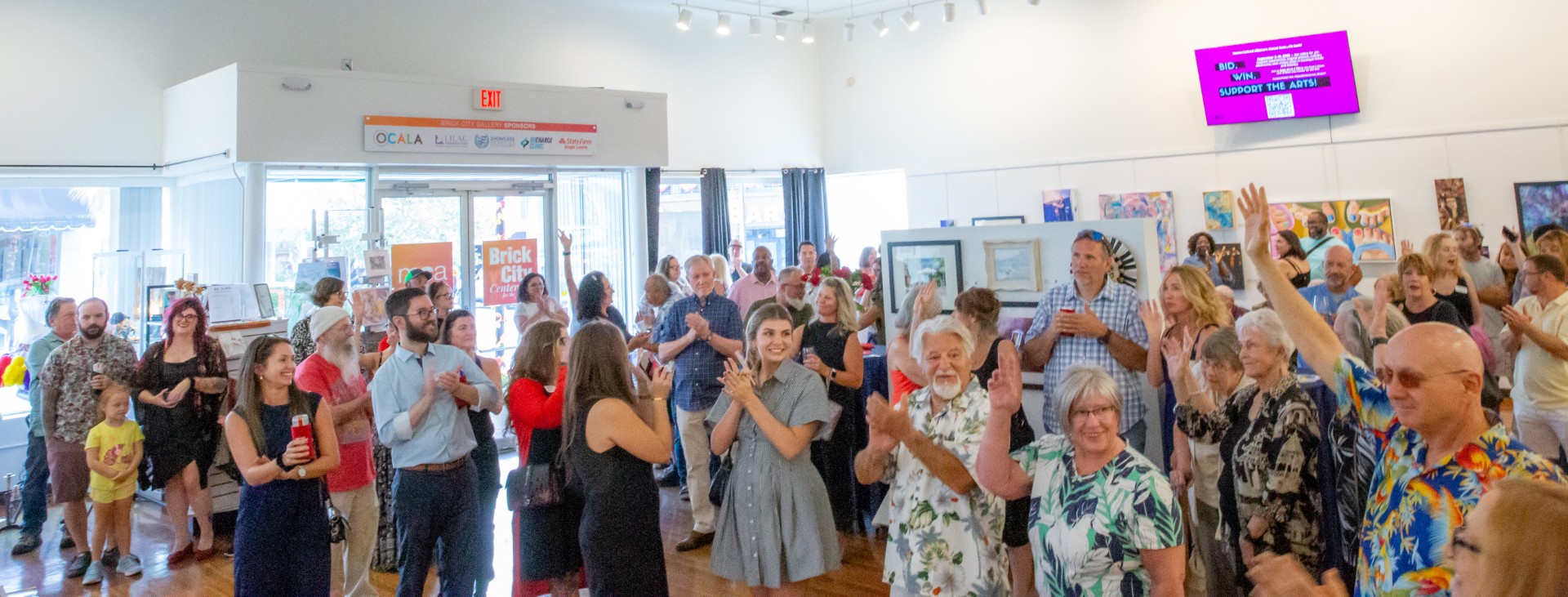
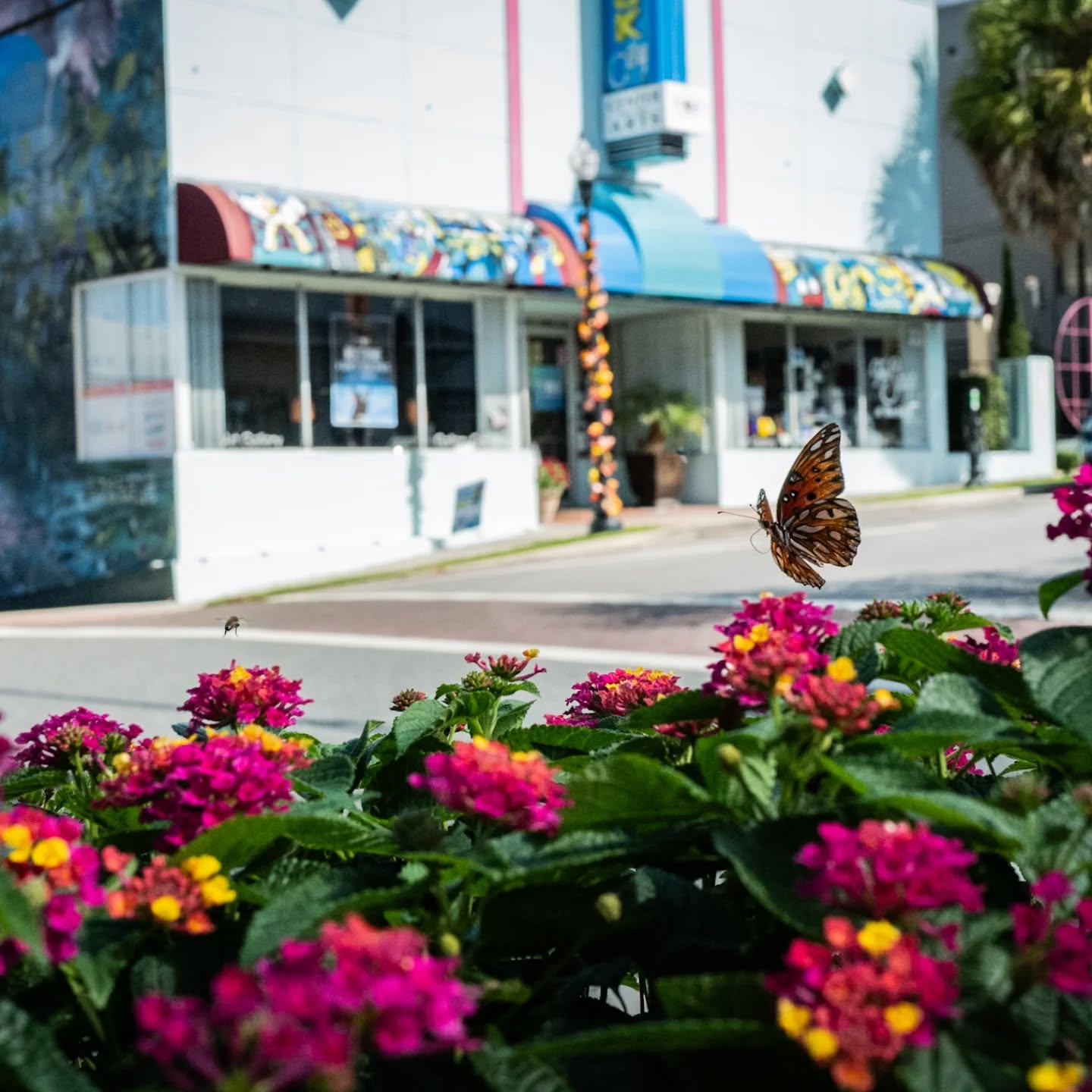
Initially housed in the old Chamber of Commerce building (where the downtown Hilton hotel stands today), MCA eventually moved into the Brick City Center for the Arts building on Broadway Street. The Brick, as it is known, was opened by the College of Central Florida as a place for local artists. It quickly became a gathering place for artists and art lovers. Or, as the MCA mission statement reads: Champion. Convene. Create.
Jaye Baillie, executive director of MCA since 2016, said Ocala has always had cultural arts, but prior to MCA it was pretty much limited to the Appleton Museum, the Ocala Civic Theatre, the Ocala Symphony Orchestra and the Kingdom of the Sun Band.
“That has changed,” Baillie said. “A week doesn’t go by that we don’t welcome a new artist to our community. And they often say they were drawn here because we are artist-friendly and a welcoming community.”
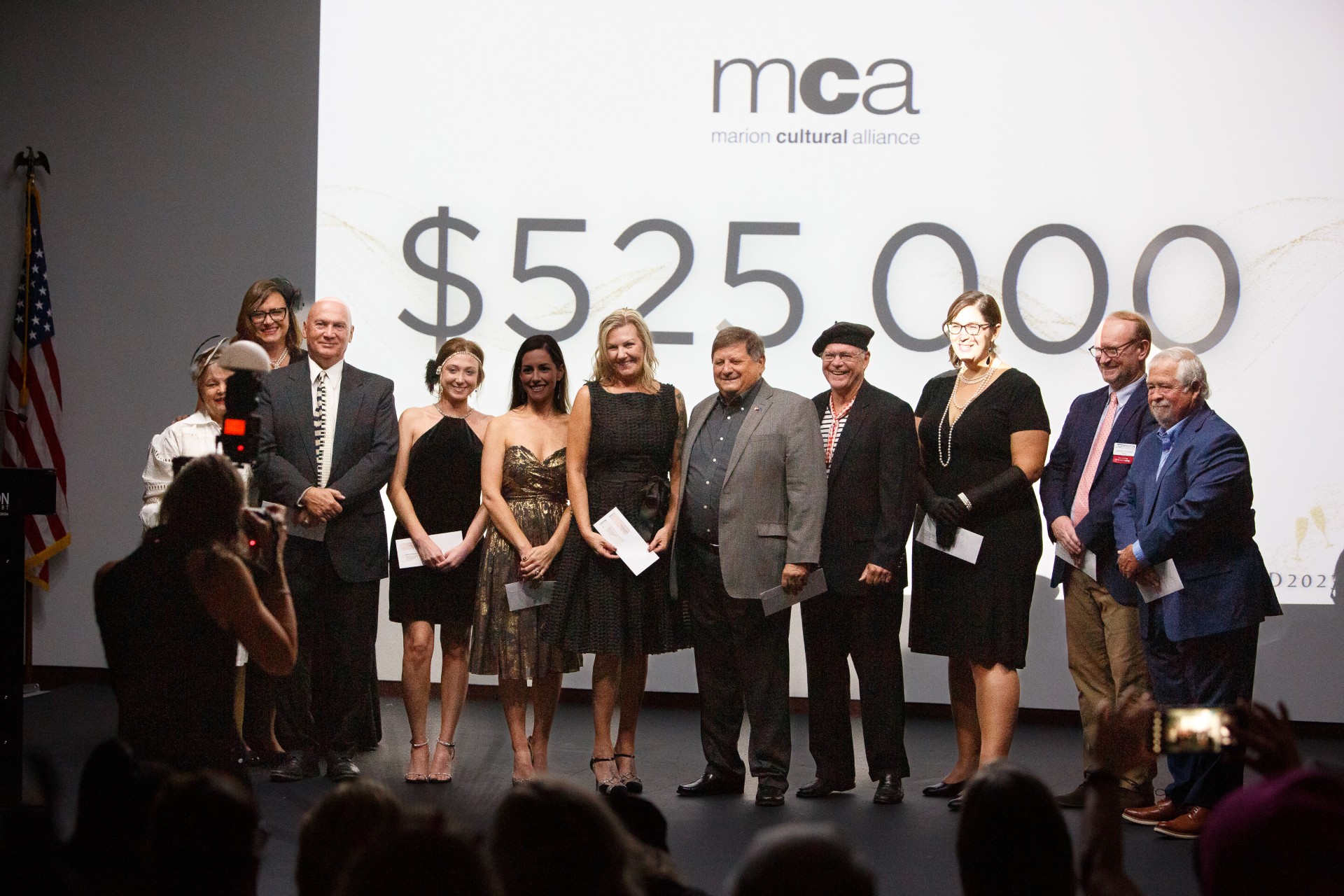
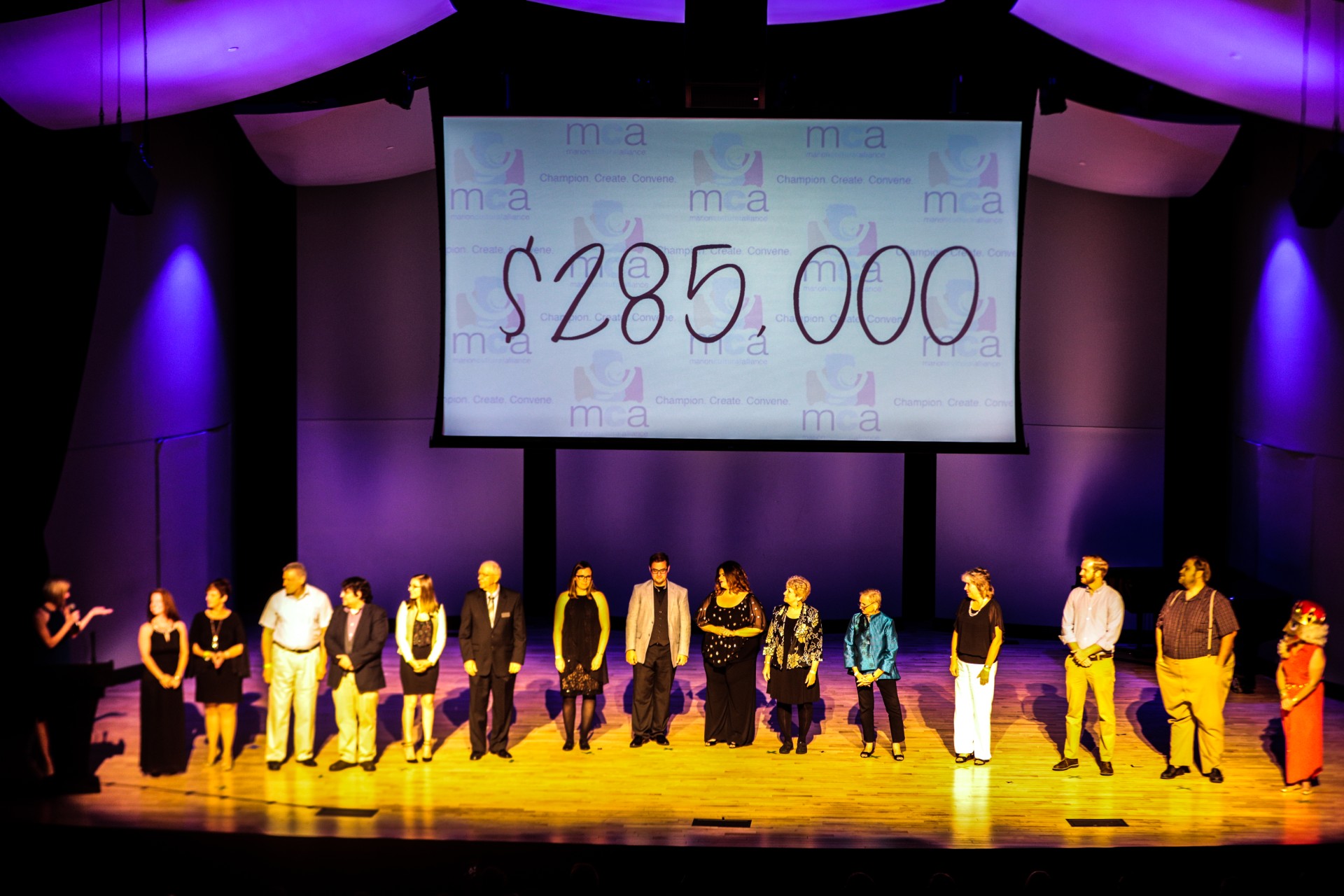
The MCA endowment, grown from the proceeds of the original and two ensuing Horse Fever herds, now has about $850,000 in it—all intended to foster and grow the arts in Ocala long term.
Today, King and Zink see the fruits of their labor with pride.
“Horse Fever has become—and now MCA is—the catalyst for everything that is happening in the arts, especially downtown,” Zink said. “Horse Fever brought art to the streets and became arts education. The continued work of MCA has opened the door to other arts and opportunities.”
Added King: “The Brick is truly a center for the arts in the community. I think it was catalytic in changing the city’s perception of the arts.”
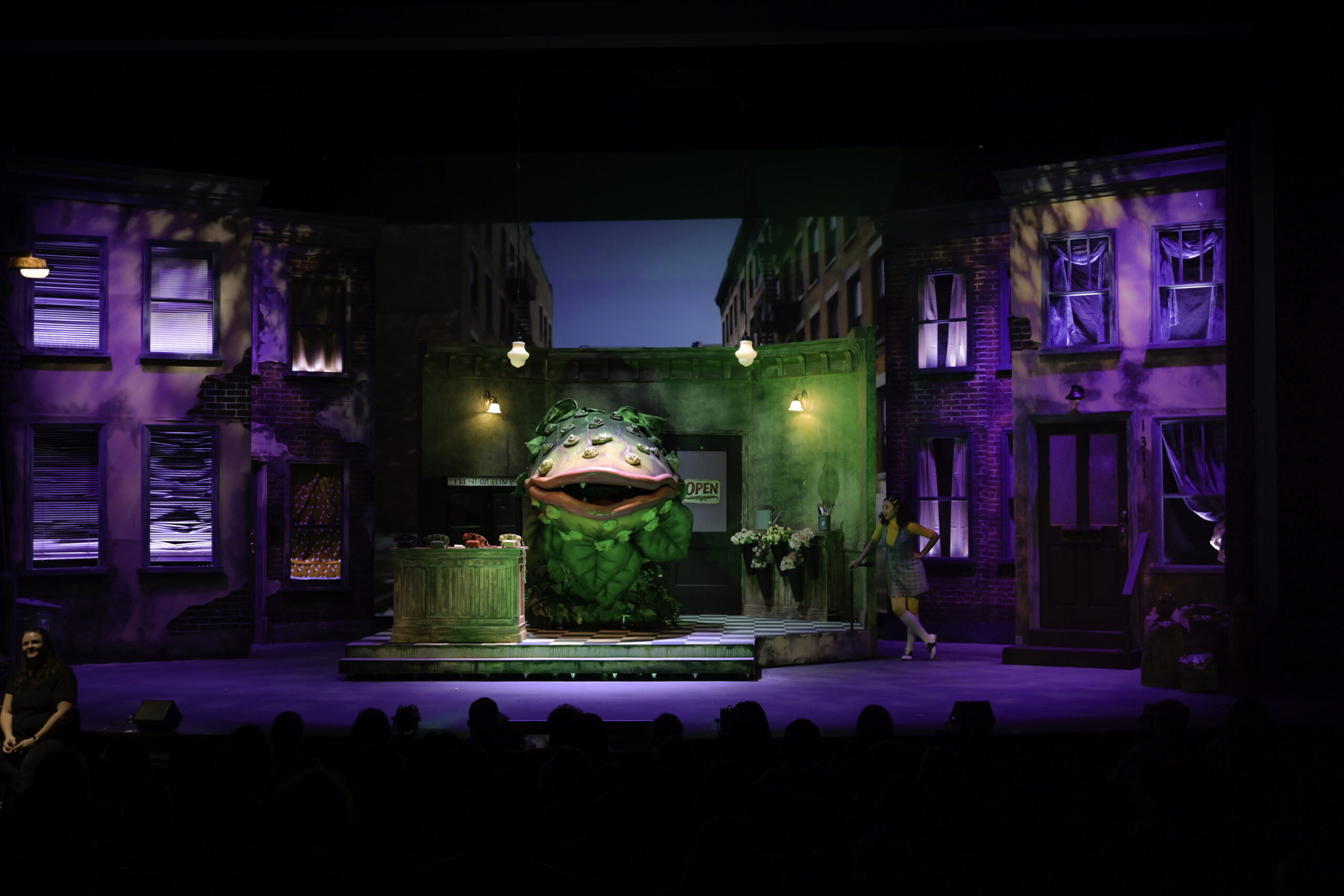
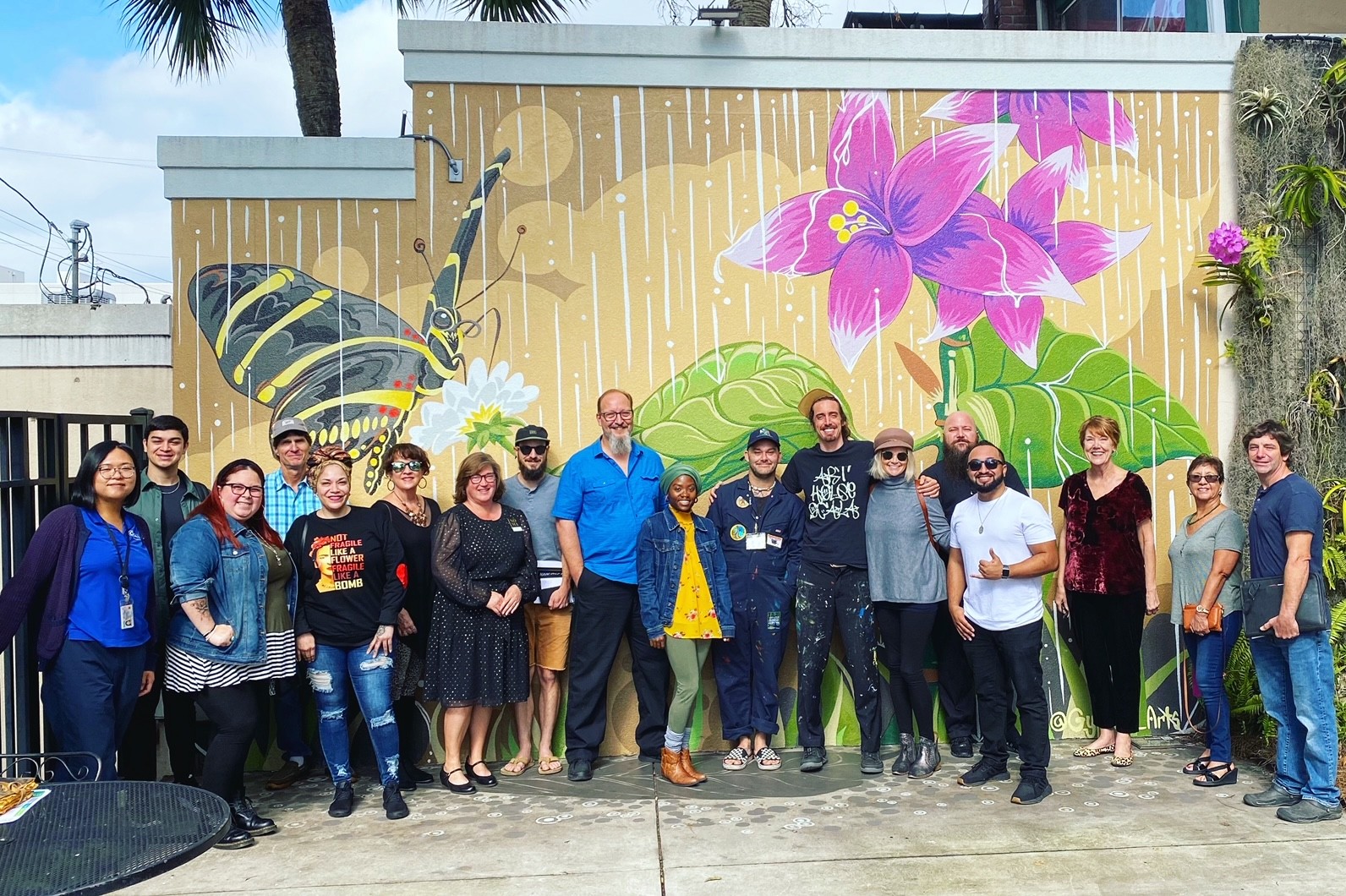
But it goes beyond the visual arts for MCA. They have used their grant program to bolster the Ocala Civic Theatre, the Appleton and the schools. Beyond that, Horse Fever and MCA have served as a springboard for public art in the city, including murals on downtown buildings and the Sculpture Park at Tuscawilla Park, and provided a gallery for new artists to exhibit their work. Moreover, MCA has contributed to projects or initiatives that involve not just art, but science, history and culture—a track record that has drawn 42 local organizations into the MCA fold.
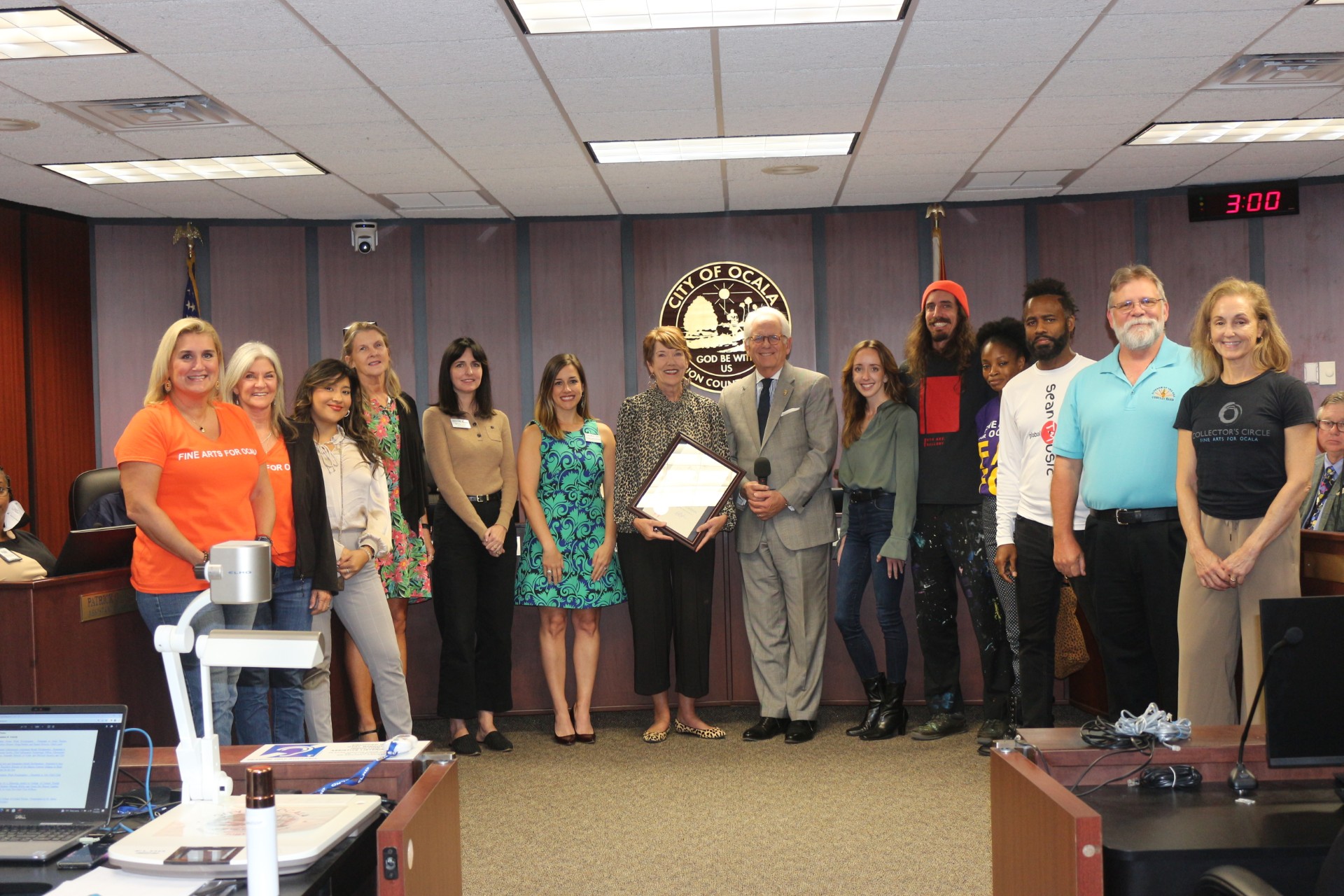
Beyond that, MCA was instrumental in getting Americans for the Arts, a national organization, to conduct two economic impact analyses of Ocala, determining that the arts is a $50 million-plus-a-year industry. MCA itself has a $632,000 annual economic impact.
That, Baillie said, has led to “a growing regard and respect from our patrons.”
“You can tell a community that values art from one that doesn’t,” she added.
King and Zink both said one often overlooked benefit of Horse Fever and MCA is that it brought the horse community and the non-equine segments of Ocala together—a union that has only grown over time.
“I think we helped unify the two sides of I-75,” King said.
Painter Maggie Weakley, who is married to Kent, summed up MCA’s role in the community: “When you look at the arts in Ocala, they are synonymous with MCA. The art community has thrived the past 25 years.”
As for the journey to get to the current state of the arts in Ocala, King put it this way:
“Things came together. Right place. Right time. Right people.”