
WRITTEN BY JEREMY RHODEN
UF/IFAS Extension, Marion County Urban Horticulture Agent
Cultivating a Winter Pollinator Refuge
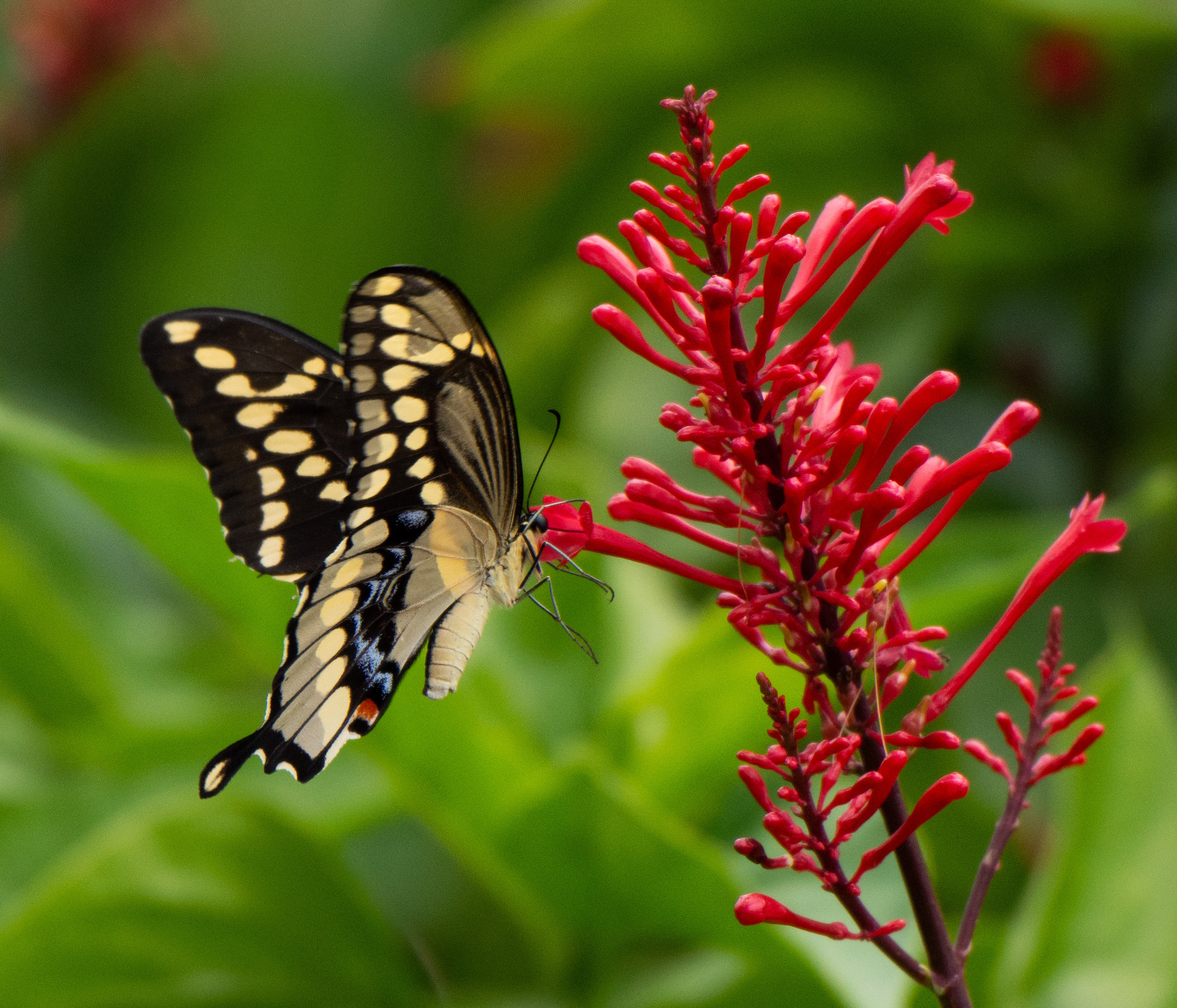
In central Florida, a garden doesn’t need to lie dormant in December. Winter is an opportune time to support native pollinators through the cooler months. Make your garden a wildlife refuge by leaving stems, seed heads, leaves, and logs intact, rather than pruning everything away. These structures serve as nesting sites, refugia, and overwintering nesting spots for insects such as bees, moths, and butterflies.
Hollow plant stems (often from native wildflowers) are excellent nesting chambers for stem-nesting bees, while ground-nesting bees require patches of exposed or lightly covered soil. Avoid heavy mulch in those zones. Leaf litter shelters pupae, eggs, and larvae of many insects. Fallen logs, snags, and brush piles act as cavity sites and habitat “hotels” for beneficial insects.
To plan ahead for spring, plant wildflower enhancements now (September–January is ideal in Florida) so that blooms begin early and provide nectar as pollinators emerge. Use a diversity of native plants and clump blooms to increase attractiveness to bees.
In December, resist the urge to “tidy up” completely. Instead, let parts of the garden show their winter form. By doing so, you’ll offer continuity of habitat and resources for pollinators even before the spring reawakening.
For more information, visit: https://gardeningsolutions.ifas.ufl.edu/design/gardening-with-wildlife/wildlife-friendly-winter-garden/